
How gas, wood-burning, and electric fireplaces affect your homeowners insurance rates, and what is and is not typically covered when something goes wrong.
Yes, a fireplace can increase your homeowners insurance, and the type matters most. Wood-burning fireplaces and stoves carry the highest impact because of open flame and chimney fire risk. Gas fireplaces are treated as moderate risk. Electric fireplaces usually add nothing because there is no combustion, venting, or open flame. Insurance covers sudden accidental damage, not routine cleaning, repair, or wear.
Having a fireplace in your home can affect your homeowners insurance premium, but how much depends almost entirely on the type of fireplace you have. Wood-burning fireplaces and stoves carry the highest risk in the eyes of most insurers. Gas fireplaces are typically viewed as moderate risk. Electric fireplaces have the least impact, many insurers treat them the same as any other household appliance.
The key factors insurers evaluate include whether the fireplace involves combustion, whether it requires a chimney or venting, how it was installed, and whether the homeowner maintains it regularly. Understanding how your specific fireplace type is classified can help you make informed decisions about installation, maintenance, and disclosure.
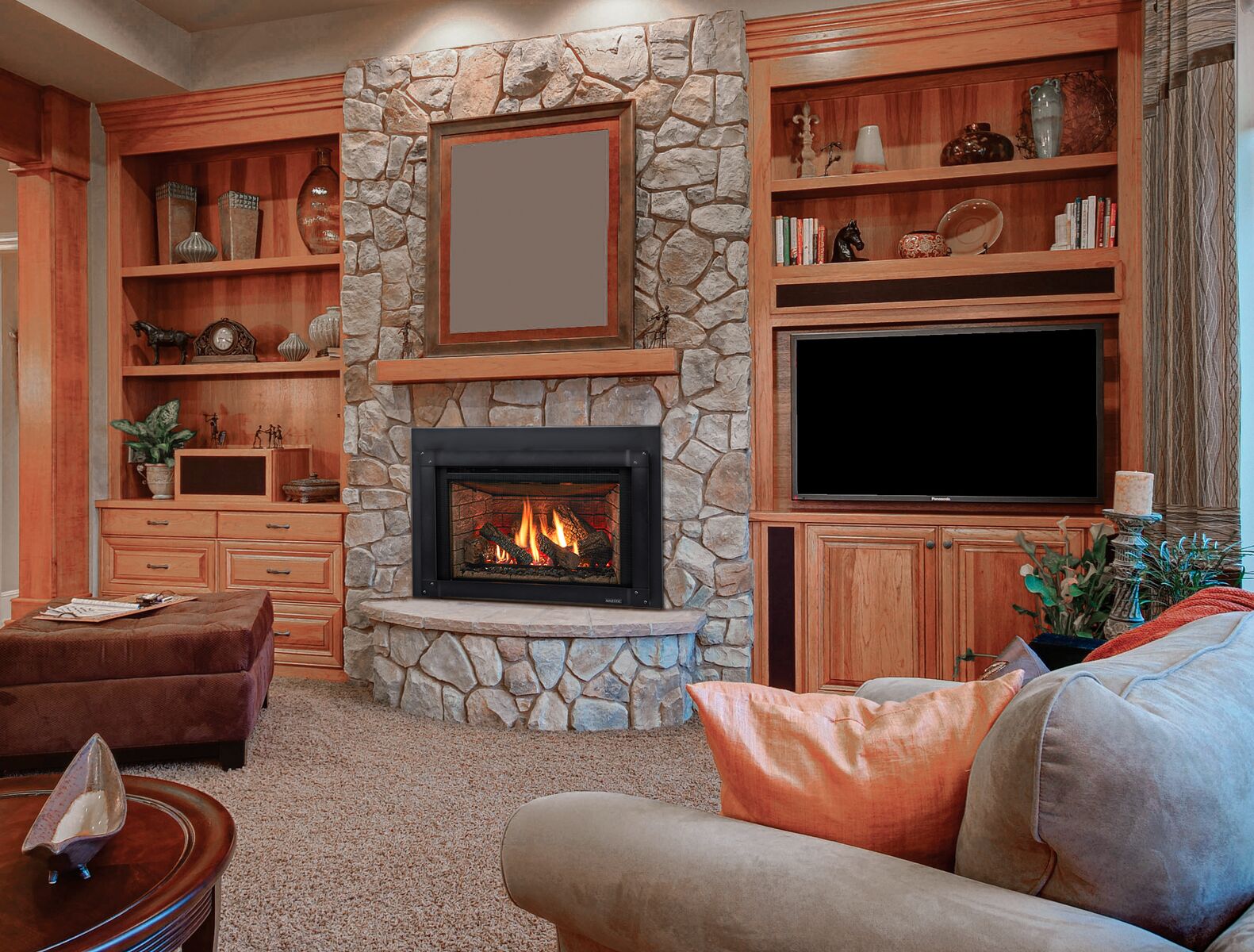
Not all fireplaces carry the same insurance risk. Insurers evaluate fire hazard, combustion byproducts, venting requirements, and maintenance demands when classifying a fireplace. Here is how the three main types compare.
Highest Insurance Impact
Moderate Insurance Impact
Lowest Insurance Impact
Homeowners insurance covers sudden, accidental fireplace-related damage. It does not cover routine maintenance, gradual wear, or damage caused by negligence. Here is a practical breakdown.
Important: If a claim is filed and the insurer determines that the fireplace or chimney was not properly maintained, the claim may be denied. Keeping records of annual inspections and service visits strengthens your position if you ever need to file a claim.
Most homeowners insurance policies require you to disclose any fireplace, wood stove, or solid-fuel heating appliance in your home. Failing to disclose can result in a denied claim if damage occurs. When you install a new fireplace or convert an existing one, notify your insurer so your policy reflects your home accurately.
From a practical standpoint, the best way to protect both your home and your insurance standing is to maintain your fireplace properly. That means scheduling annual inspections and service, keeping the area around the fireplace clear of flammable materials, ensuring smoke and carbon monoxide detectors are installed and working, and following the manufacturer's operating guidelines.
Some insurers offer more favorable terms or discounts for homeowners who maintain documented safety practices, particularly for wood-burning systems where chimney fire risk is a primary concern.

Regular maintenance protects your home, supports your insurance standing, and keeps your fireplace performing safely. New England Hearth & Home provides annual inspection, cleaning, and repair services for gas, electric, and wood fireplaces throughout Canton, MA and the Greater Boston area.
Diagnostics and repair for gas, electric, and wood fireplaces, from pilot lights and valves to glass doors and controls.
When repair is no longer the right answer, full removal, conversion, and new installation services.
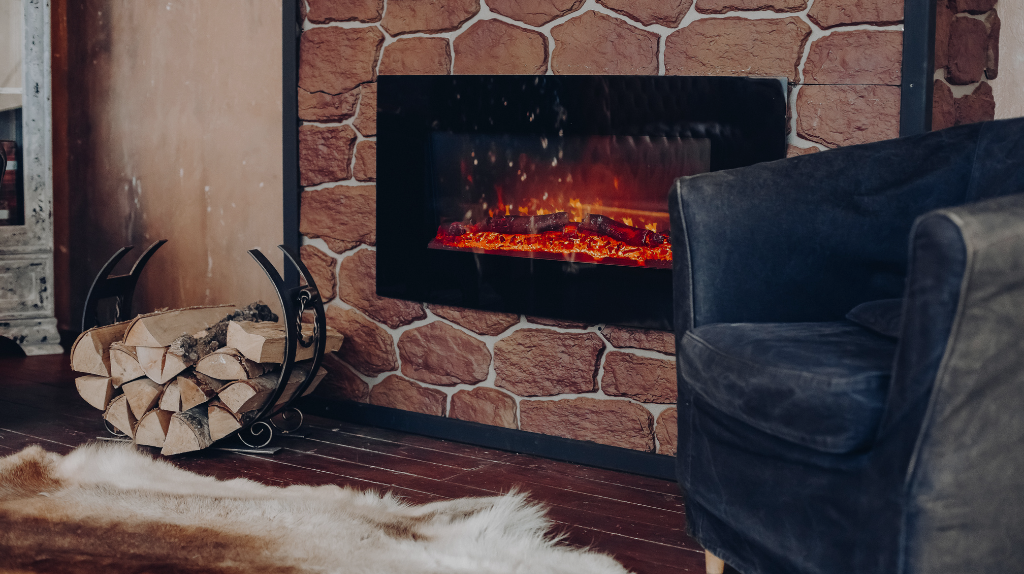
The lowest-risk fireplace option for insurance, no venting, no combustion, no chimney.
It depends on the type. Wood-burning fireplaces carry the highest insurance impact because of open combustion and chimney fire risk. Gas fireplaces are typically classified as moderate risk. Electric fireplaces have the lowest impact, many insurers treat them the same as a standard household appliance. The exact effect on your premium depends on your insurer, policy, and installation details.
Homeowners insurance typically covers sudden, accidental damage, such as a house fire from a malfunction, smoke damage from a chimney fire, or damage from a lightning strike. It generally does not cover damage from normal wear and tear, lack of maintenance, or gradual deterioration. If a fire is caused by negligence, a claim may be denied.
No. Standard homeowners insurance does not cover routine maintenance, annual cleaning, or general repair. These are considered normal upkeep. However, keeping records of regular maintenance can support a claim if covered damage does occur later.
The increase varies by insurer and policy, but homeowners with wood-burning fireplaces or stoves can expect a higher premium compared to homes without one. Some insurers require proof of annual chimney inspection or specific safety features. Contact your insurer for the specific impact on your premium.
Electric fireplaces are generally viewed as the lowest-risk option. No combustion, no chimney, no gas line, no open flame. Many insurers do not apply an additional premium for an electric fireplace the way they would for a wood-burning or gas unit.
Yes. Most policies require disclosure of any fireplace, wood stove, or heating appliance. Failing to disclose can result in a denied claim. When installing a new fireplace, inform your insurer so your policy reflects your home accurately.
Maintaining records of annual inspections, installing smoke and carbon monoxide detectors, using a chimney cap and spark arrestor on wood-burning systems, keeping the area clear of flammable materials, and following manufacturer guidelines all demonstrate responsible ownership. Some insurers offer more favorable terms for documented safety practices.


