
Gas vs. Wood Fireplaces: Which Fuel Is Right for Your New England Home?

Comparing Cost, Efficiency, Maintenance and Sustainability to Help You Decide

Choosing the perfect fireplace for your home is more than an aesthetic decision. For Massachusetts homeowners, the choice between a gas and wood‑burning fireplace or stove affects installation costs, day‑to‑day maintenance, energy efficiency and even eligibility for tax incentives. New England Hearth & Home installs and services both gas and wood models across greater Boston, so here’s what you need to know before making your selection.

How Gas Fireplaces Work

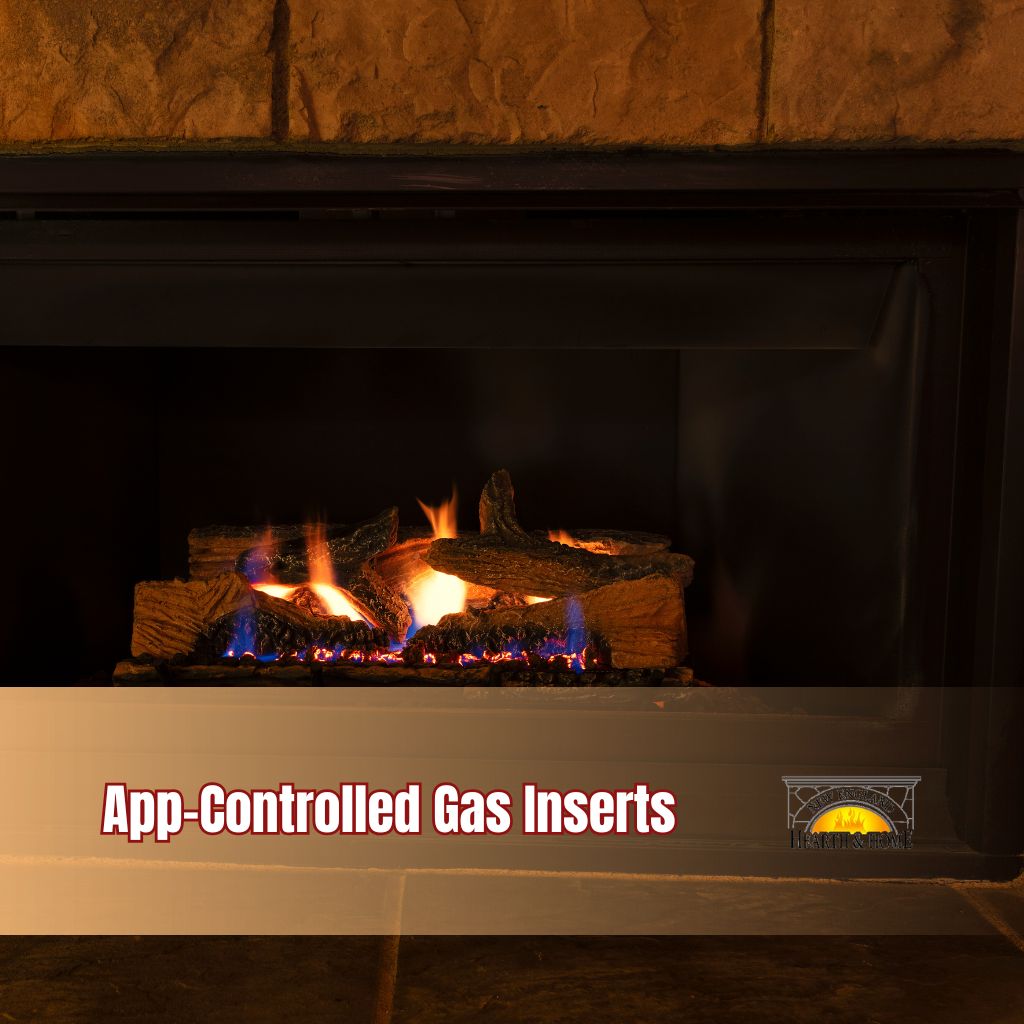
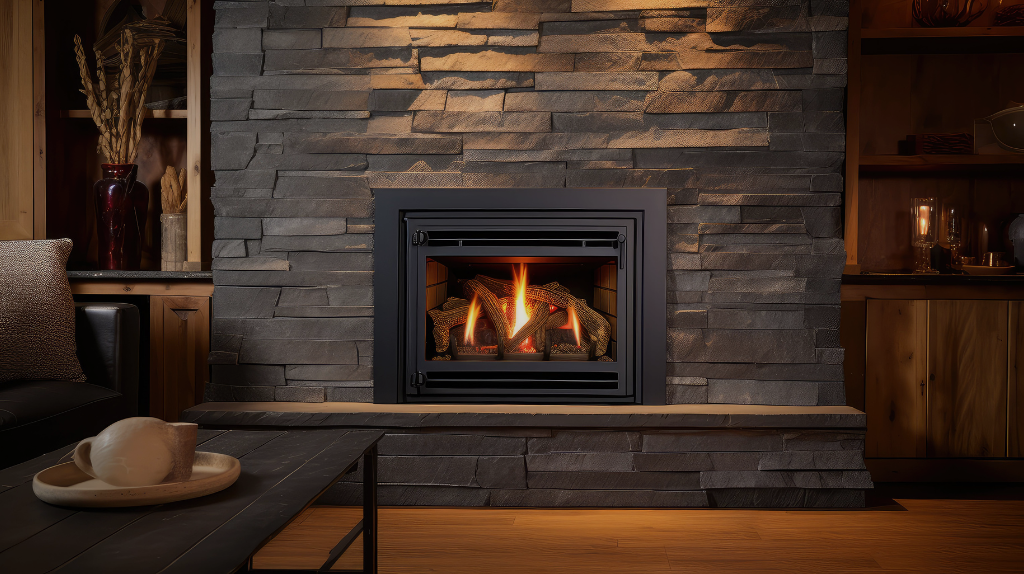
Gas fireplaces use either natural gas or propane delivered through a dedicated gas line. Most models operate with a wall switch or remote control and produce instant heat with minimal effort. Units with standing pilot lights can continue operating during power outages; models with electronic ignition may require a battery backup to ignite during blackouts. Venting can be direct‑vent, ventless or through existing chimneys, giving homeowners flexibility in placement.

Pros

  • Convenience & Control: You can ignite and extinguish the fire with a single switch or remote, and adjust flame height and heat output on demand. Gas fireplaces deliver consistent warmth without the need to store or chop wood.
  • Low Maintenance: There’s no ash or creosote buildup to clean. NEH&H recommends annual inspections and periodic cleaning of gas logs, burners and pilot assemblies to keep your unit operating safely.
  • Cleaner Burning: High‑efficiency gas fireplaces emit low levels of particulates and greenhouse gases. Modern direct‑vent systems draw combustion air from outdoors and exhaust fumes outside, improving indoor air quality.

Cons

  • Fuel & Installation Costs: Running a gas line and venting the appliance adds to installation costs, and you’ll pay ongoing utility rates for gas.
  • Less Ambiance: Although realistic logs and flames have improved, some homeowners still prefer the crackle and aroma of a real wood fire.

How Wood‑Burning Fireplaces and Stoves Work

Wood‑burning fireplaces and stoves rely on cordwood as fuel. Traditional open fireplaces are less efficient (10–15 %), while modern wood stoves and fireplace inserts use advanced combustion technologies to achieve efficiencies of 70–80 %. These units produce radiant heat and the unmistakable sights and sounds of a real fire.

Pros

  • Authentic Ambiance: Many homeowners love the smell of burning logs and the crackling of a real flame. Wood stoves continue to heat your home even when the power is out.
  • Fuel Independence: You aren’t dependent on gas lines. Wood can often be sourced locally, and burning wood doesn’t contribute to fossil‑fuel demand.
  • Potential Tax Credit: Massachusetts residents can receive a 30 % tax credit (up to $2 000) toward the purchase and installation of qualifying wood‑burning stoves.

Cons

  • Sizing & Installation Complexity: Wood stoves must be sized properly; a unit that’s too large forces constant low burning, leading to creosote buildup, while an undersized stove won’t heat adequately. Sizing is based on BTUs and square footage—small stoves (25 000–40 000 BTU) heat 800–1 200 ft², medium stoves (40 000–60 000 BTU) heat 1 200–2 000 ft², and large stoves (60 000–80 000 BTU) cover 2 000–2 500 ft². Installation requires proper clearances, non‑combustible floor pads and an appropriate chimney or flue.
  • More Maintenance: Wood fires produce ash and creosote, so chimneys and stovepipes must be cleaned regularly. NEH&H offers annual inspections and cleanings to ensure safe operation.
  • Emissions & Storage: Even EPA‑certified stoves emit more particulates than gas appliances, and you need a dry place to store firewood.

Comparing Gas vs. Wood

Factor Gas Fireplaces Wood‑Burning Stoves/Fireplaces
Heat Output & Efficiency Modern gas units are efficient and provide consistent heat; direct‑vent models keep indoor air clean and reduce drafts. EPA‑certified wood stoves achieve 70–80 % efficiency but open fireplaces are far less efficient. Heat output depends on proper sizing.
Installation & Upfront Costs Require gas line installation and proper venting; costs vary by home layout. Require a chimney or flue, clearance to combustibles and non‑combustible hearth protection. Eligible models may qualify for a 30 % tax credit.
Operating Costs Depend on natural gas or propane prices but offer predictable utility bills. Fuel costs depend on wood availability; homeowners can offset costs by sourcing their own wood.
Maintenance Annual inspections and minor cleaning (e.g., burners, pilot lights). Regular ash removal and chimney cleaning; annual inspections are essential.
Environmental Impact Low particulate emissions; high‑efficiency models reduce greenhouse gases. Burning wood is renewable but produces more particulates; EPA‑certified stoves emit less than 2 g/hr.
Ambiance & Experience Clean flames and easy on/off operation; may lack the traditional wood‑fire feel. Real flames, crackling sounds and smoky aroma; more interactive and rustic experience.

FAQs

1. Are gas fireplaces more efficient than woodburning stoves?

Efficiency depends on the specific model. Modern gas fireplaces are highly efficient and produce consistent heat with low emissions. However, EPA‑certified wood stoves can achieve 70–80 % efficiency, significantly higher than open wood fireplaces. The right choice depends on whether you prefer convenience or a traditional wood‑fire experience. 

2. How often should I maintain my fireplace?

Gas fireplaces require annual inspections and occasional cleaning of logs, burners and pilot assemblies. Wood‑burning stoves and fireplaces need regular ash removal and chimney cleaning; schedule a professional inspection each year to prevent creosote buildup and ensure safe operation. 

3. Do wood stoves qualify for tax credits?

Yes. Massachusetts homeowners can receive a state income tax credit of up to 30 % (capped at $2 000) when they purchase and install qualifying wood‑burning stoves. NEH&H’s team can help you choose eligible models and supply documentation for your tax filing. 

4. Can a gas fireplace work during a power outage?

Many gas fireplaces equipped with standing pilot lights will operate during a blackout because they don’t rely on external electricity. Models with electronic ignition may require a battery backup to ignite the flame. Always consult your manufacturer’s instructions and schedule maintenance to verify your unit’s capabilities. 


Is an Electric Fireplace Cheaper than Central Heating?

Electric fireplace

Looking to cut down on your heating bills? Ditch your central heating system and switch to an electric fireplace! With an electric fireplace, you can reduce energy usage, increase efficiency, and save on operational costs. At New England Hearth & Home, we’ve compiled a list of the top reasons you should consider switching today. Find out more below!

Why Heat Up Rooms You Don’t Need To? Electric Fireplaces Only Heat What You Need

An electric fireplace can heat a room that is up to 400 sq feet. By choosing it over a central heating system, you don’t need to worry about heating multiple rooms within your home when it’s on, especially the ones that don’t need it. 

Electric Fireplaces Are Also Energy-Efficient

100% of an electric fireplace’s energy is converted into heat. No need to worry about wasting energy!

Electric Fireplaces Have a Cheaper & Easier Installation Process

A central heating system’s installation can be daunting. The whole process requires multiple professionals and usually takes a few days. This can set you back thousands of dollars. On the other hand, with an electric fireplace, the installation is easier and cheaper. (You can even do it yourself.) 

Electric Fireplaces Are Maintenance-Free (Almost)

Central heating systems require regular maintenance, including cleaning and filter changes. With an electrical fireplace, maintenance doesn’t need to be regular; once a month, you should dust and clean its fan. 

Electric Fireplaces Are Safer Than a Central Heating System

Looking for a way to heat your home without producing harmful emissions? Get an electric fireplace, which doesn’t produce carbon dioxide, carbon monoxide or other toxic gases.  As a result, they’re the more eco-friendly choice between the two. 

You Can Move an Electric Fireplace Around Your Home

Tired of having your electric fireplace in the same room all the time? With a free-standing one, you can move it to wherever you want in your home, allowing you to bring heat into a new room without a costly installation. 

Ready to Install Your New Electric Fireplace in Your Massachusetts Home? Call New England Hearth & Home Today, Canton’s #1 Fireplace Company!

At New England Hearth & Home, we’ve been helping Massachusetts residents get a new gas, electric, or wood-burning fireplace for their home. We also offer specialized accessories, including glass doors, high-quality screens, wood fireplace grates, and log displays. (Want to see some of our fireplaces? Come to our showroom in Canton today!) In addition to our fireplace services, our team is happy to provide annual cleanings & inspections, maintenance and repairs, and removal (wood stove, electric and gas fireplace) services. To learn more about how New England Hearth & Home can help you get a new fireplace today, contact us on our website using our form or call us at 781-562-0771. We look forward to hearing from you!

What Does BTU Mean, And Why Does it Matter for Fireplaces?

Fireplace

When shopping for home appliances, chances are, you’ve probably seen the word “BTU.” Known as “British Thermal Unit,” the acronym is a measurement for heat energy, including in air conditioners, stoves, and fireplaces. Here, New England Hearth and Home has compiled a guide on BTU and why you should care about it the next time you’re at an appliance store. Read more below!

Where did BTU come from?

In the 18th century, scientists needed a more precise way of measuring heat energy, and began tinkering with heat metrics. As to how they came up with BTU? Nobody knows who invented it, how, or when. By the 19th century, it began to appear in dictionaries, then scientific publications, before eventually making its way to British and international labs. Today, BTU is the standard unit for classification in many English and non-English speaking countries. (Funny enough, the British don’t use BTU as a measurement anymore.)

How is BTU Used?

As explained by Green Building Advisor, “One BTU is the amount of heat needed to raise the temperature of one pound of water by one degree Fahrenheit.” Imagine you purchased a stove that has “20,000” BTU. This would mean that it has 20,000 BTU per hour, which is capable of hitting pretty high heat temperatures. The higher the BTU is, the bigger the flame. Same with fireplaces: the BTU determines the unit’s heating capability. A fireplace with higher BTU will be able to effectively warm a larger living space than one with a lower BTU. 

Why Does BTU Matter for Your Home?

So You Don’t Waste Money

If you buy a fireplace with high BTU for a small living area, not only will your heating bill increase, but you’ll be wasting money in the long run, too. This also applies to buying a fireplace with low BTU for a moderately sized living area: it’s not going to properly heat up the space, and you’ll be losing money. 

How Much BTU Does Your Home Need?

This will depend on the size of your home, its insulation, ceiling height, and where you’re thinking of putting your BTU-measured appliances. For more help, you can look up a room BTU calculator. 

Ready to Get a New Fireplace with BTU? Contact New England Hearth and Home, Massachusetts #1 Choice for Gas, Electric, and Wood-Burning Fireplaces! Our  team provides professional fireplace installations, annual cleanings & inspections, fireplace maintenance and repairs, fireplace and stove removals, and more! To receive a free consultation on one of our services today, contact New England Hearth and Home on our website or call us at (781)-562-0771. We can’t wait to hear from you!

Jøtul’s 10% Off Wood-Burning Stove Sale Ends March 17, 2025

Jøtul winter sale for wood burning stoves and fireplaces

Visit New England Hearth & Home in Canton, MA, to take advantage of Jøtul’s 10% off wood-burning stove sale! This limited-time offer ends on March 17, 2025, so hurry in to upgrade your home with a high-quality, efficient wood-burning stove. Take a tour of our showroom and view our selection of Jøtul stoves, known for their durable design and superior craftsmanship. Our knowledgeable staff will be happy to assist you in finding the perfect stove to fit your home’s needs.

To learn more and get discounts on wood-burning fireplaces from Jøtul in Canton, MA, contact our team online or at 781-562-0771!

Jøtul winter sale for wood burning stoves and fireplaces

Jøtul Is the Top Choice for Wood-Burning Stoves on the South Shore of Massachusetts

Jøtul is a leading brand in the wood-burning stove industry, with over 160 years of experience crafting high-quality and efficient home heating solutions. Their stoves are known for their Norwegian design and use of cast iron, making them incredibly durable and long-lasting. Additionally, Jøtul stoves are designed to burn cleanly and efficiently, reducing both your carbon footprint and heating costs.

How Can I Get a Discount on Jøtul Wood-Burning Fireplaces?

For the next few weeks, New England Hearth & Home is offering 10% off all Jøtul wood-burning stoves. This exclusive discount is only available until March 17, 2025, so don’t wait until it’s too late to upgrade your home’s heating. Our team is dedicated to providing exceptional customer service and helping you find the perfect Jøtul stove for your space.

Is the Sale Offered In-Person or Online?

We are offering this sale both in-person and online for your convenience. Our showroom is open from 10:30-6 on Mondays, Wednesdays, Thursdays, Fridays, and Saturdays, so you can stop by and see each model in person. We can also help you over the phone or by submitting an online service inquiry, where one of our team members will reach out to assist you further.

JOTUL WINTER SALE 2025 HOMEPAGE BANNER

Visit Our Fireplace Showroom in Canton, MA, to Save 10% on All Jøtul Stoves Through March 17

At New England Hearth & Home, we are committed to providing our customers with the best deals on high-quality wood-burning stoves. From now until March 17, you can save 10% on all Jøtul wood-burning stoves and transform your home into a cozy and efficient space. We carry a wide range of Jøtul models in our showroom, including traditional and modern options so that you can find the perfect fit for your aesthetic and heating needs. We also offer professional installation and replacement services to ensure your new stove is installed correctly and efficiently. To learn more, contact us online or call us at 781-562-0771!