
Step-by-step instructions for safely starting a fire in a gas fireplace, wood-burning fireplace, or wood stove, including what to check before you light, the right ignition method for your system, and what to do if it does not start.
Gas fireplace: turn the control knob to Pilot, hold the igniter until the pilot lights, wait 30 seconds, then switch to On (or press the wall switch or remote). Wood fireplace or stove: open the damper, lay crumpled newspaper and kindling in the firebox, stack seasoned split logs in a crisscross pattern, light from the bottom, and keep the door cracked for the first few minutes. Always clear flammables 3 feet away and confirm your detectors work first.
Whether you have a gas fireplace, a wood-burning fireplace, or a wood stove, there are a few things to verify every time before you light a fire.
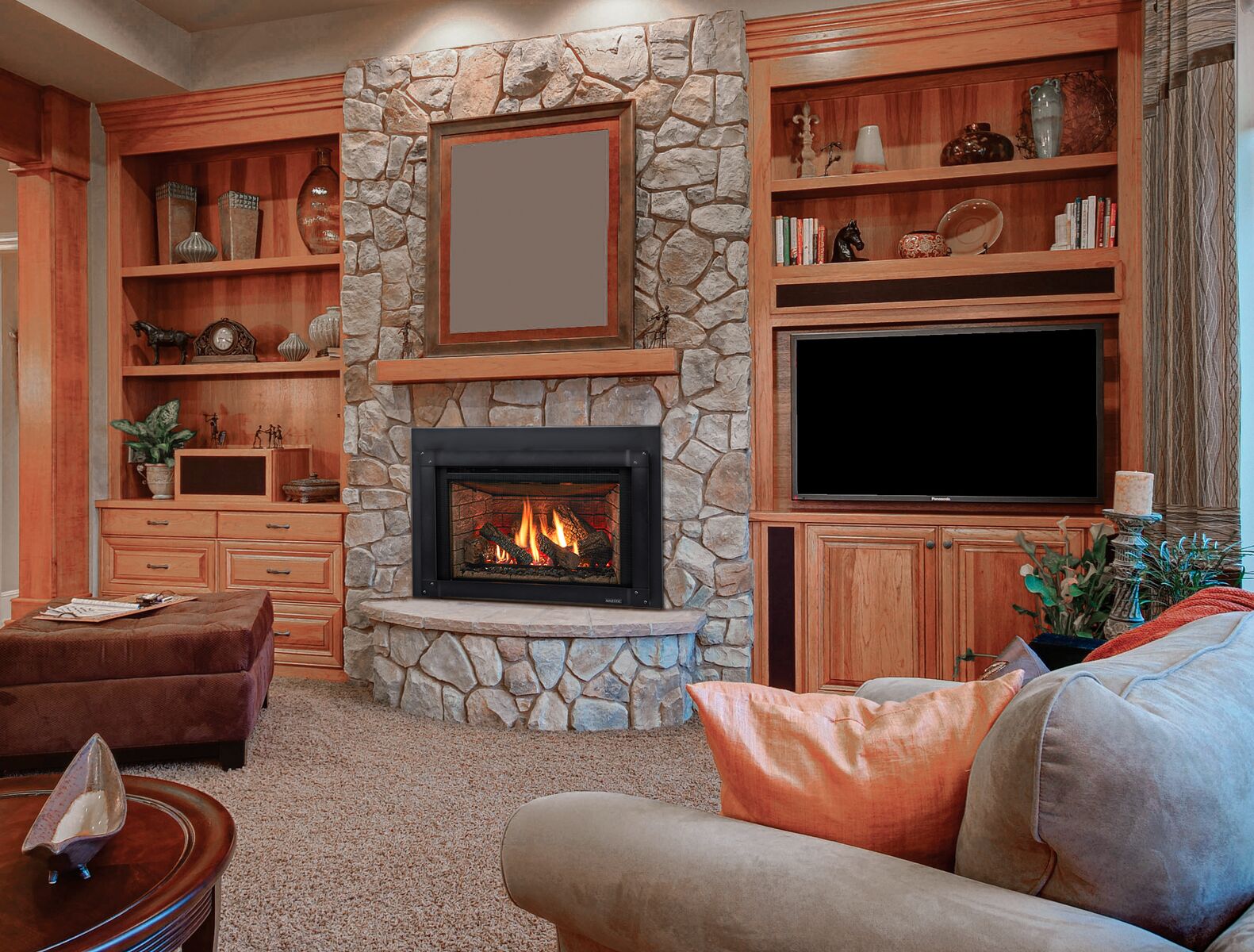
Gas fireplaces use one of three ignition methods depending on the model and age of the unit. Identify which system your fireplace has, then follow the corresponding steps.
Turn the knob to Pilot. Press and hold the ignition button until the pilot light catches. Hold for 30 seconds. If the flame stays lit, turn the knob to On. If it has been a while since last use, it may take several attempts.
Locate the decorative slot near or below the firebox. Hold a long lighter or lit match near the burner. Turn the key to release gas, you will hear a hiss. Once the burner ignites, use the key to adjust flame height.
Press the On button on the wall switch or remote. Adjust flame height using the controls. These systems are wired to your home's power supply, so they will not work during a power outage unless battery-backed.
If the pilot will not stay lit, the flame looks weak or discolored, or you smell gas without seeing a flame, turn the unit off immediately and contact a professional. Do not continue to attempt ignition.
A well-built wood fire starts slow and builds gradually. The quality of the wood, the stacking method, and airflow control all determine how well the fire burns and how much heat it produces.
Use seasoned hardwood that has been dried for at least 6 to 12 months. Seasoned wood is lighter, has visible cracks at the ends, and sounds hollow when two pieces are knocked together. It should have a moisture content below 20 percent.
Hardwoods like oak, maple, and ash burn longer and produce more heat than softwoods like pine. Avoid green, wet, or freshly cut wood, it produces excessive smoke, less heat, and accelerates creosote buildup in the chimney.
Scrunch newspaper loosely and lay it at the bottom of the firebox as your fire starter. Add split kindling or small dry sticks on top in a loose layer. Do not use magazines, glossy paper, treated wood, painted wood, or cardboard in large quantities, these release toxic fumes and can cause dangerous flare-ups.
Arrange split logs in alternating layers (crisscross or log-cabin pattern) with space between each piece for airflow. Avoid a teepee structure, it burns too fast and collapses early.
Open the damper or flue fully. Open the stove's air intake to its maximum setting. Light the newspaper at the base. Leave the stove door or fireplace screen cracked for the first 3 to 5 minutes to allow airflow, then close once the fire is established.
Once the kindling is burning well, add larger split logs. Do not overload the firebox, leave room for air to circulate. Adjust the air intake to control burn speed. Never leave a wood fire unattended, and keep the area around the fireplace or stove clear at all times.
Never burn: treated or painted wood, plywood, particle board, magazines, plastic, trash, or artificial logs not rated for your fireplace type. These materials release toxic fumes, cause dangerous flare-ups, and accelerate creosote buildup.
Gas fireplace won't ignite: The most common causes are a pilot light that has gone out, a faulty thermocouple or thermopile, a tripped circuit breaker on electronic ignition models, or a gas supply interruption. If the pilot will not stay lit after two or three attempts, or if you smell gas without seeing a flame, stop and call a professional.
Wood fire won't catch or keeps dying: This usually means the wood is not dry enough, the kindling layer is too thin, the damper is not fully open, or there is not enough airflow. Try using more kindling, opening the air intake fully, and confirming the flue is clear. If the fireplace smokes into the room, there may be a draft issue that requires professional evaluation.
Haven't used the fireplace in a while: If the fireplace has been dormant for months, schedule an inspection before the first use of the season. Gas components can degrade, wood chimneys can accumulate moisture or debris, and animals may nest in unused flues.

If your fireplace is not starting properly, producing unusual odors, or has not been serviced in over a year, our team can help. New England Hearth & Home provides fireplace inspection, cleaning, repair, and maintenance for gas, wood, and electric systems throughout Canton, MA and the Greater Boston area.
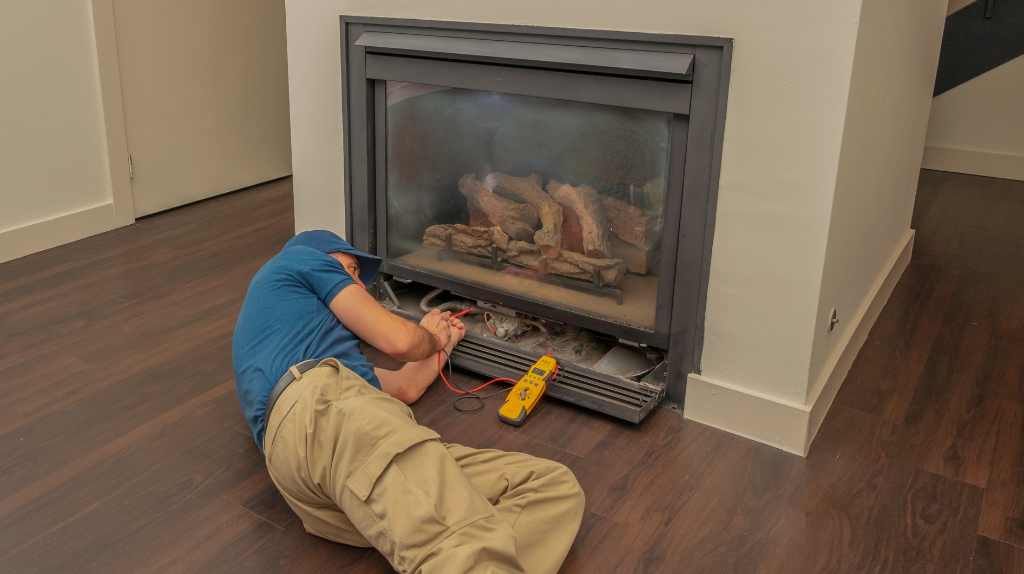
If your fireplace will not start or is not performing correctly, our team can diagnose and repair the issue.
Schedule seasonal service before winter to make sure your fireplace is ready for safe, reliable use.
Everything you need to know about choosing, storing, and using seasoned firewood in your fireplace or stove.
The method depends on the ignition system. Most gas fireplaces use a control panel with a pilot knob, a key valve near the firebox, or a wall switch/remote. For a control panel, turn the knob to Pilot, press the ignition button until the pilot lights, hold for 30 seconds, then switch to On. For a key valve, hold a long lighter at the burner and turn the key. For a wall switch, press On.
Open the damper fully, lay crumpled newspaper at the bottom of the firebox, add split kindling, then stack seasoned split logs in a crisscross pattern with space for airflow. Light the newspaper and leave the door or screen cracked for a few minutes. Once established, close the door and adjust the air intake to control the burn.
Use seasoned hardwood dried for at least 6 to 12 months with a moisture content below 20 percent. Hardwoods like oak, maple, and ash burn longer and produce more heat. Avoid green, wet, or freshly cut wood, it produces more smoke and creosote.
Common causes include a pilot light that has gone out, a faulty thermocouple or thermopile, a tripped circuit breaker, or a gas supply issue. If the pilot will not stay lit or you smell gas, turn the unit off and call a professional.
Most manufacturers recommend against leaving a gas fireplace running unattended overnight. While modern units have safety features like oxygen depletion sensors, turning the unit off before sleep is the safer practice. Follow your manufacturer's guidelines.
Seasoned wood is lighter, has visible cracks at the ends, sounds hollow when knocked together, and has a grayish color. A moisture meter reading below 20 percent is the most reliable check. Unseasoned wood produces more smoke, less heat, and more creosote.
Never burn treated or painted wood, plywood, particle board, magazines, glossy paper, plastic, trash, or artificial logs not rated for your fireplace type. These release toxic fumes, cause flare-ups, and accelerate creosote buildup.


