
When your fireplace stops working the way it should, you need more than a basic cleaning. You need experienced technicians who can diagnose the issue, make the right repair, and help restore safe, dependable performance.
Fireplaces are built to add warmth and comfort, but when something goes wrong, the problem can quickly become frustrating or even unsafe. Whether your fireplace will not turn on, the flames look uneven, the pilot light will not stay lit, or the unit simply has not been serviced in years, our team can inspect the system and recommend the right next step.
We work with gas, electric, and wood-burning fireplace systems, and we understand that no two service calls are exactly the same. Some fireplaces need a targeted repair. Others need a full diagnostic visit, cleaning, and replacement of worn components. Our goal is to help you understand the issue clearly and get your fireplace back into dependable condition.
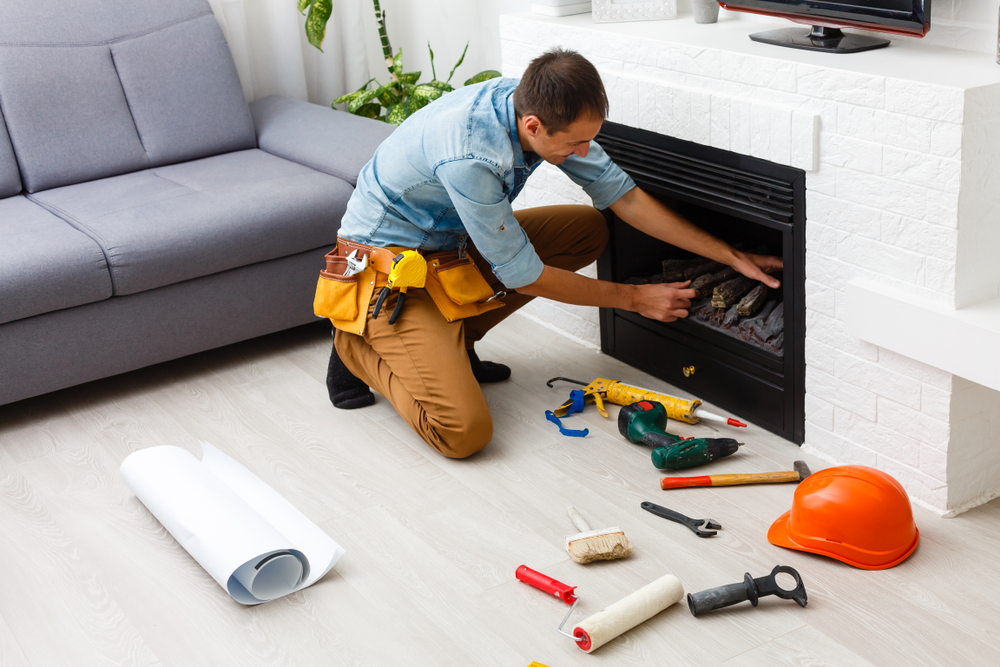
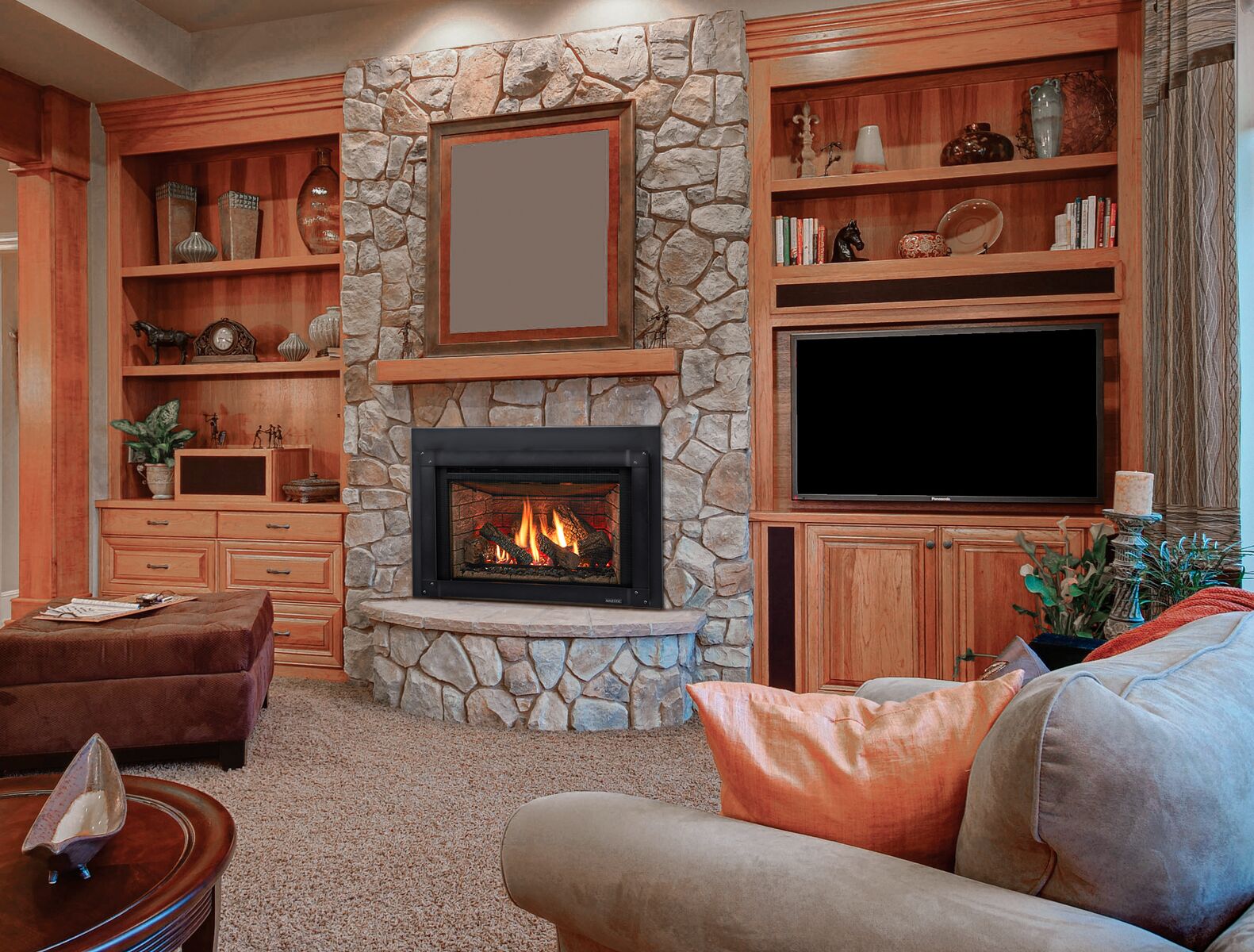
We repair common gas fireplace issues involving pilot lights, thermocouples, valves, burners, ignition systems, switches, and performance-related concerns that affect safety and function.
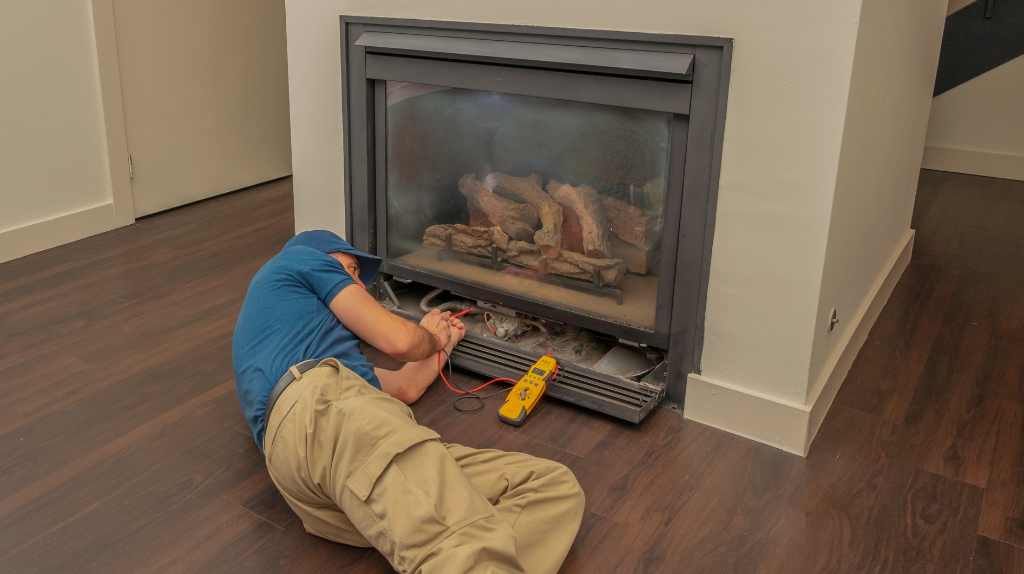
From non-responsive controls to flame effect problems and electrical component issues, we can inspect electric fireplace systems and help determine the best repair approach.

If your wood-burning fireplace is showing signs of wear, poor drafting, smoke issues, damaged doors, or performance problems, our team can help assess what is going on.
Not every fireplace issue is an emergency, but some warning signs should never be ignored. Use the categories below to decide whether you need same-week service or whether a seasonal tune-up is the right next step. When in doubt, stop using the fireplace and call us at (781) 654-0215.
Stop using your fireplace and schedule service immediately if you notice:
Schedule service when the unit will not run reliably:
Worth a diagnostic visit if you notice:
Schedule annually or when these apply:

Many fireplace problems do not start with a major breakdown. They often begin with buildup, worn parts, seasonal neglect, or performance issues that get worse over time. That is why repair work is often tied closely to inspection and maintenance.
If your fireplace is not performing the way it used to, we can inspect the unit, identify visible issues, and recommend whether you need a targeted repair, a seasonal tune-up, or a broader service visit. This is especially valuable before winter, when dependable operation matters most.
Call us or submit a service request and let us know what issue you are experiencing with your fireplace.
We inspect the system, evaluate visible components, and identify the most likely cause of the problem.
Once we understand the issue, we explain the recommended repair path and what your fireplace needs.
Our goal is to help restore safe, efficient operation so your fireplace is ready when you need it.
The 2/10 rule is a chimney height guideline used to support proper drafting and reduce the risk of downdrafts and smoke spillage. The rule has two parts: the top of the chimney should be at least two feet higher than any roof or structure within ten feet of it, and it should rise at least three feet above the point where it exits the roof.
If you have ever noticed smoke pushing back into the room, persistent drafting issues, or efficiency loss, chimney height and surrounding obstructions may be part of the cause. During an inspection, we can identify whether chimney height, termination, or capping is contributing to the problem and recommend the right next step.
Homeowners often ask whether fireplace repair is covered by insurance or a home warranty. The short answer: it depends on the cause of the damage and the terms of your specific policy.
Homeowners insurance typically covers sudden, accidental damage — for example, damage caused by a chimney fire, lightning strike, or a covered weather event. It generally does not cover wear and tear, neglected maintenance, or routine service work.
Home warranties vary widely. Some plans include fireplace components, while others exclude them or limit coverage to specific parts. Always review your declarations or warranty document before assuming a repair will be reimbursed.
If you are filing a claim, we can provide documentation of the inspection findings and the repair work performed. Keeping records of annual professional inspections also helps demonstrate that the unit has been properly maintained, which can matter when a claim is reviewed.
Our team serves Canton and the surrounding South Shore and Greater Boston communities. If your town is not listed, give us a call — we may still cover your area.
If your gas, electric, or wood fireplace is not working the way it should, New England Hearth & Home is here to help. Reach out today to schedule service and get your fireplace inspected by an experienced team.
Support long-term fireplace performance with routine seasonal care and inspection service.
If your unit is beyond repair or you are ready for an upgrade, explore our installation services.
Learn more about removing old fireplaces or stoves before replacing them with a newer system.
Call a qualified fireplace service technician or hearth specialist. Gas fireplaces involve fuel lines, ignition systems, and venting, so repairs should be handled by a professional rather than a general handyman. In Canton, MA and surrounding communities, homeowners can reach New England Hearth & Home at (781) 654-0215 to schedule fireplace service.
The most common gas fireplace problems involve the ignition system, especially pilot lights that will not stay lit, faulty thermocouples or thermopiles, and dirty or corroded burner components. Issues with switches, valves, and remote controls are also frequent service calls, particularly on units that have not been inspected in several years.
Stop using your fireplace and schedule service immediately if you smell gas, notice a sulfur or burning plastic odor, see soot streaks around the unit, hear unusual hissing or popping, or see the flame burning yellow instead of blue. Smoke entering the room, a pilot light that will not stay lit, or visible cracks in masonry are also signs that warrant prompt inspection.
Most gas fireplaces do not have a single reset button. Restarting the unit typically involves cycling the wall switch or remote, relighting the pilot following the manufacturer's procedure, or resetting the receiver module if the unit uses a remote control system. If the fireplace will not restart after a normal procedure, a professional inspection is the next step.
The 2/10 rule is a chimney height guideline. The top of the chimney should be at least two feet higher than any roof or structure within ten feet of it, and at least three feet above the point where it exits the roof. The rule helps ensure proper drafting and reduces the risk of downdrafts, smoke spillage, and inefficient combustion.
Homeowners insurance typically covers sudden, accidental damage to a fireplace, such as damage from a chimney fire or a covered weather event. It generally does not cover wear and tear, lack of maintenance, or routine repair work. Coverage varies by policy, so homeowners should review their declarations page and contact their insurer before assuming a specific repair will be reimbursed.
A well-maintained gas fireplace typically lasts 15 to 25 years. Lifespan depends on usage frequency, the quality of the original installation, and whether the unit receives regular professional inspection and service. Components like pilot assemblies, blowers, and thermocouples may need replacement during that span, while the overall firebox and venting last considerably longer.
A burning plastic smell from a gas fireplace is most often caused by dust burning off the unit at seasonal start-up, residue on the burner or logs, or factory coatings on a newer fireplace burning off. If the odor is strong, persistent, or accompanied by visible smoke, turn the unit off and schedule an inspection. Persistent plastic or chemical odors can indicate wiring issues or damaged components and should not be ignored.
Yes. We provide repair and service support for gas fireplaces in Canton, MA and surrounding communities, including help with ignition issues, pilot light problems, burners, switches, valves, and related components.
Yes. Seasonal fireplace inspections are one of the best ways to identify safety concerns, worn parts, or maintenance issues before heavy winter use begins. Late summer through early fall is the ideal window.
No. Homeowners often contact us for service on existing units, including fireplaces that were installed years ago or by a previous contractor.
That depends on the condition of the unit, the type of issue, and the age of the system. In some cases, a targeted repair is the right move. In others, replacement may be the better long-term option. A diagnostic visit can help clarify which path makes more sense for your fireplace.


