

From Fall Nights to New England Winters: How to Choose the Right Fireplace for Your Home
The right fireplace can make your home warmer, more comfortable, and more inviting throughout the colder months.
As fall settles into New England, homeowners start preparing for chilly evenings and winter weather. If you’ve been thinking about adding a fireplace or upgrading your current one, now is a great time to explore your options.
The best fireplace depends on your home, lifestyle, heating goals, and the amount of maintenance you want.
Start With What Matters Most to You
Before choosing a fireplace, think about how you want to use it.
Are you looking for:
- Extra warmth in a living room or family room
- A cozy focal point for your home
- The traditional feel of a real wood fire
- Convenient heat with minimal cleanup
- A modern fireplace with flexible placement
- An upgrade for an existing fireplace
Once you know your priorities, choosing between gas, wood, electric, or an insert becomes much easier.
Gas Fireplaces: Warmth Without the Extra Work
Gas fireplaces are a great option for homeowners who want the comfort of a fire without managing firewood and ash.
Benefits include:
- Easy operation
- Consistent heat
- Minimal cleanup
- Convenient everyday use
- Multiple styles and finishes
- A clean, polished look
Gas fireplaces work especially well for homeowners who want something simple and reliable during the colder months.
Wood Fireplaces: Classic New England Comfort
For many homeowners, nothing compares to the look and feel of a traditional wood-burning fireplace.
A wood fireplace may be the right choice if you enjoy:
- Natural flames
- The crackle and aroma of burning wood
- A traditional fireplace experience
- A cozy focal point
- Tending and maintaining a real fire
Wood fireplaces bring warmth and character to the home, especially during cold New England evenings.
Electric Fireplaces: Flexible and Low Maintenance
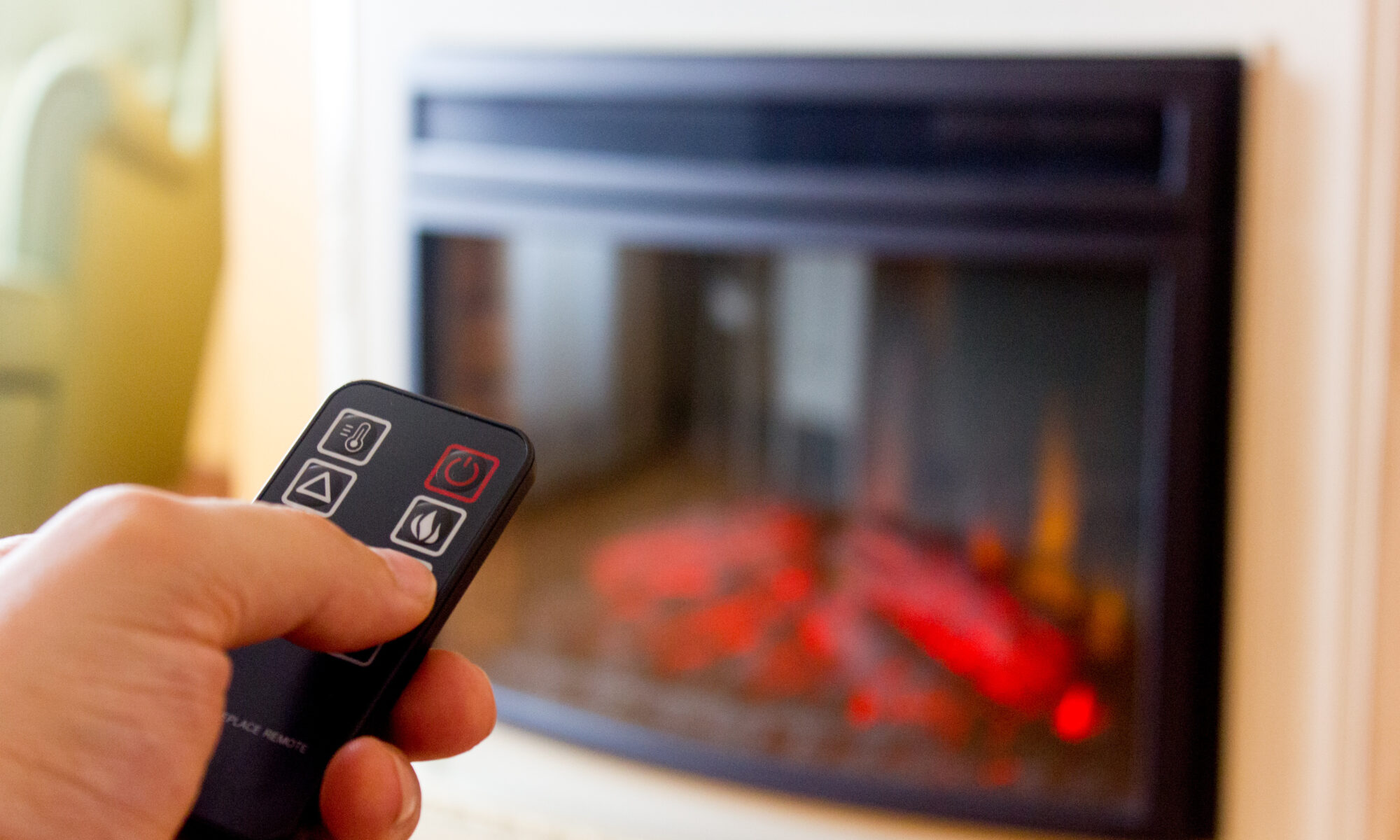
Electric fireplaces offer a simple way to add warmth and ambiance without the installation requirements of a traditional fireplace.
They can be a great fit for homeowners looking for:
- Easy operation
- Flexible placement
- Minimal maintenance
- Modern styles
- Supplemental warmth
- A fireplace option for smaller or unique spaces
Electric fireplaces can also work well when gas or wood is not practical for the home.
Already Have a Fireplace? Consider an Insert
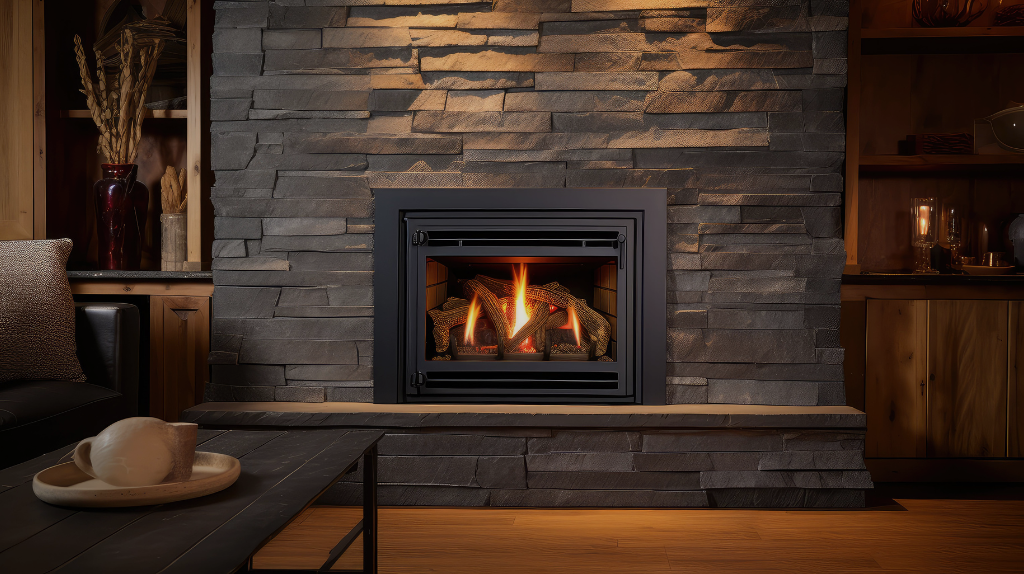
If your home already has a fireplace, you may not need to replace the entire setup.
A fireplace insert can help:
- Refresh the look of an older fireplace
- Improve functionality
- Create a more updated design
- Provide additional warmth
- Make better use of an existing fireplace opening
Depending on your current setup, gas or wood inserts may be worth exploring.
Think About More Than Just the Fireplace
The fireplace itself is only one part of the final look.
Before making your decision, consider:
- Fireplace size
- Room layout
- Mantel design
- Surround materials
- Existing décor
- Heating needs
- Installation requirements
Choosing the right combination can help the fireplace feel like a natural part of your home rather than an afterthought.
Why Fall Is the Right Time to Start
Fall is one of the best times to plan a fireplace upgrade because it gives you time to make decisions before winter is in full swing.
Starting now allows you to:
- Compare fireplace types
- Explore different styles
- Understand installation requirements
- Choose finishes and features
- Prepare before the coldest weather arrives
That means you can enjoy your fireplace throughout the season instead of waiting until winter is already underway.

Find the Right Fireplace for Your Home
At New England Hearth & Home, homeowners can explore gas, wood, electric, and fireplace insert options for different spaces and styles.
Whether you want:
Convenience •
Traditional Warmth •
A Modern Upgrade •
A New Focal Point
The right fireplace can make your home feel warmer and more comfortable from fall through winter.
See Your Options in Person
Visit the New England Hearth & Home showroom in Canton, MA to compare fireplace styles, finishes, and options before deciding what fits your home.
Frequently Asked Questions
What type of fireplace is best for a New England home?
It depends on your heating goals, home layout, preferred style, and how much maintenance you want.
Are gas fireplaces easier to maintain than wood fireplaces?
Generally, yes. Gas fireplaces require less day-to-day cleanup because there is no firewood or ash to manage.
Can I upgrade my current fireplace?
In many cases, yes. A fireplace insert may be an option depending on your existing fireplace and the type of upgrade you want.
Are electric fireplaces a good option?
Yes. Electric fireplaces can be a practical choice for homeowners who want flexibility, low maintenance, and simple operation.
When should I start planning a fireplace installation?
Fall is a great time to start so you can compare options and prepare before the coldest part of winter.