 How to Choose the Right Heating Appliance for Maximum Comfort, Efficiency, and Safety
If you’re considering a new wood-burning stove or fireplace insert for your Massachusetts home, one of the most important factors isn’t the brand, style, or finish—it’s the BTU rating.
Choosing the wrong size appliance is one of the most common mistakes homeowners make. A stove that’s too small won’t adequately heat your space, while a unit that’s too large can create efficiency issues, excessive creosote buildup, and unnecessary fuel consumption.
At New England Hearth & Home, we help homeowners throughout the South Shore and Greater Boston region select wood-burning appliances that are properly sized for their homes and heating goals. Here’s what you need to know before making your investment.
What Does BTU Mean?
BTU stands for British Thermal Unit, a standard measurement used to calculate heat output.
In simple terms, BTUs tell you how much heat a stove or fireplace insert can produce.
The higher the BTU rating, the larger the area the appliance can typically heat.
However, bigger isn’t always better.
A properly sized wood stove should comfortably heat your space without constantly overheating the room or forcing you to burn inefficiently.
Why Proper Stove Sizing Matters
Many homeowners assume purchasing the largest stove available guarantees the best performance. In reality, oversizing can cause several problems:
Problems with an Oversized Wood Stove
- Rooms become uncomfortably hot
- Homeowners burn smaller fires to compensate
- Lower burn temperatures create more creosote buildup
- Increased chimney maintenance requirements
- Reduced efficiency
Problems with an Undersized Wood Stove
- Inadequate heating during cold Massachusetts winters
- Constant refueling
- Increased fuel consumption
- Difficulty maintaining comfortable indoor temperatures
 General BTU Guidelines by Square Footage
While every home is different, these ranges provide a helpful starting point.
| Home Size | Recommended BTU Range |
| 800–1,200 sq. ft. | 25,000–40,000 BTUs |
| 1,200–2,000 sq. ft. | 40,000–60,000 BTUs |
| 2,000–2,500+ sq. ft. | 60,000–80,000 BTUs |
Keep in mind these numbers assume average insulation levels and ceiling heights. Massachusetts homes often require additional considerations.
Factors That Affect BTU Requirements
- Home Insulation
A well-insulated modern home retains heat much more effectively than an older home.
If your home was built decades ago and hasn’t received insulation upgrades, you may need a higher BTU output than the square footage alone suggests. Older New England homes often experience:
- Drafty windows
- Limited wall insulation
- Air leakage
- Heat loss through attics
These factors increase heating demand.
- Ceiling Height
Standard BTU calculators assume 8-foot ceilings. Homes with:
- Cathedral ceilings
- Vaulted great rooms
- Open-concept layouts
typically require additional heat output because there is more air volume to warm.
- Home Layout
Open floor plans allow heat to circulate more effectively.
A centrally located stove in an open-concept home can often heat a larger area than the same stove placed in a series of closed rooms.
The location of the appliance plays a major role in overall performance.
- Massachusetts Weather Conditions
New England winters are different from those in many parts of the country.
Snow, coastal winds, and prolonged periods of sub-freezing temperatures place greater demands on heating appliances.
Homes along the South Shore may experience additional heat loss due to exposure to strong winter winds.
That’s why local expertise matters when selecting a stove or insert.
Wood Stove vs. Fireplace Insert: Is There a Difference?
While both provide efficient wood-burning heat, they serve different purposes.
Wood Stove: a freestanding appliance that can be installed in:
- Living rooms
- Family rooms
- Basements
- Additions
- Great rooms
Wood stoves often provide strong radiant heat and can become a primary heating source.
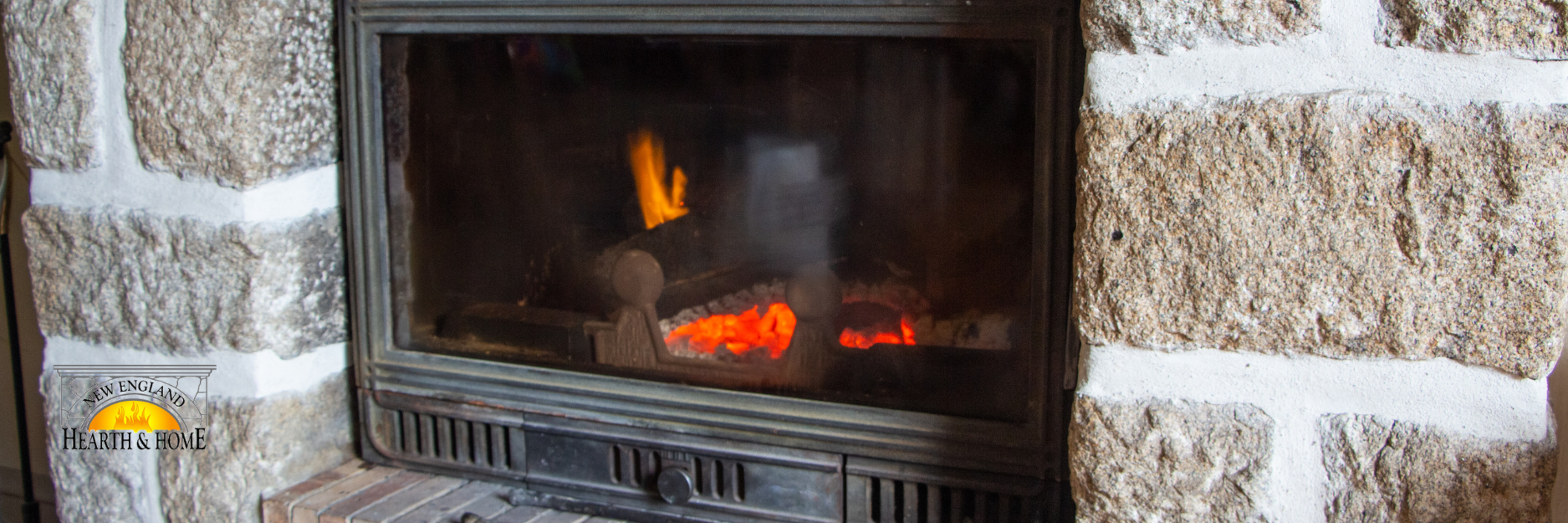
Fireplace Insert: is installed directly into an existing masonry fireplace. Benefits include:
- Improved efficiency compared to traditional fireplaces
- Better heat retention
- Reduced heat loss through the chimney
- Modern EPA-certified performance
For homeowners looking to upgrade an inefficient fireplace, an insert can be a game-changing improvement.
Importance of EPA-Certified Wood Stoves
Today’s EPA-certified wood-burning appliances are dramatically more efficient than older models. Benefits include:
- Cleaner burns
- Reduced emissions
- Less creosote accumulation
- Longer burn times
- Greater heat output from less wood
Many qualifying EPA-certified models may also be eligible for available tax incentives, helping reduce the overall investment cost.
Professional Installation Matters
Even the best stove won’t perform correctly if it’s improperly installed. Proper installation includes:
- Correct appliance sizing
- Safe clearances from combustible materials
- Proper chimney sizing
- Code-compliant venting systems
- Adequate floor protection
- Draft and airflow evaluation
Professional installation ensures your appliance operates safely, efficiently, and according to Massachusetts building codes.
Let New England Hearth & Home Help You Find the Perfect Fit
Choosing the right wood-burning stove or fireplace insert doesn’t have to be overwhelming.
At New England Hearth & Home, our experienced team helps homeowners throughout Massachusetts evaluate their home’s size, insulation levels, layout, and heating goals to find the ideal appliance.
FAQs
1. How many BTUs do I need for my home?
The answer depends on square footage, insulation quality, ceiling height, and layout. Most homes require between 25,000 and 80,000 BTUs, but a professional assessment provides the most accurate recommendation.
2. Can a wood stove be too big for a room?
Yes. Oversized stoves often create excessive heat and encourage low-temperature burning, which can increase creosote buildup and reduce efficiency.
3. What’s the difference between a wood stove and a fireplace insert?
A wood stove is a freestanding appliance, while a fireplace insert is installed inside an existing fireplace to improve heating performance and efficiency.
4. Do newer wood stoves burn cleaner?
Absolutely. Modern EPA-certified stoves produce significantly fewer emissions and provide greater efficiency than older models.
5. Should I size my stove based only on square footage?
No. Factors such as insulation, ceiling height, home layout, and local climate all impact the BTU requirements for your space.


