How to Convert a Wood-Burning Fireplace to a Gas-Operated Hearth

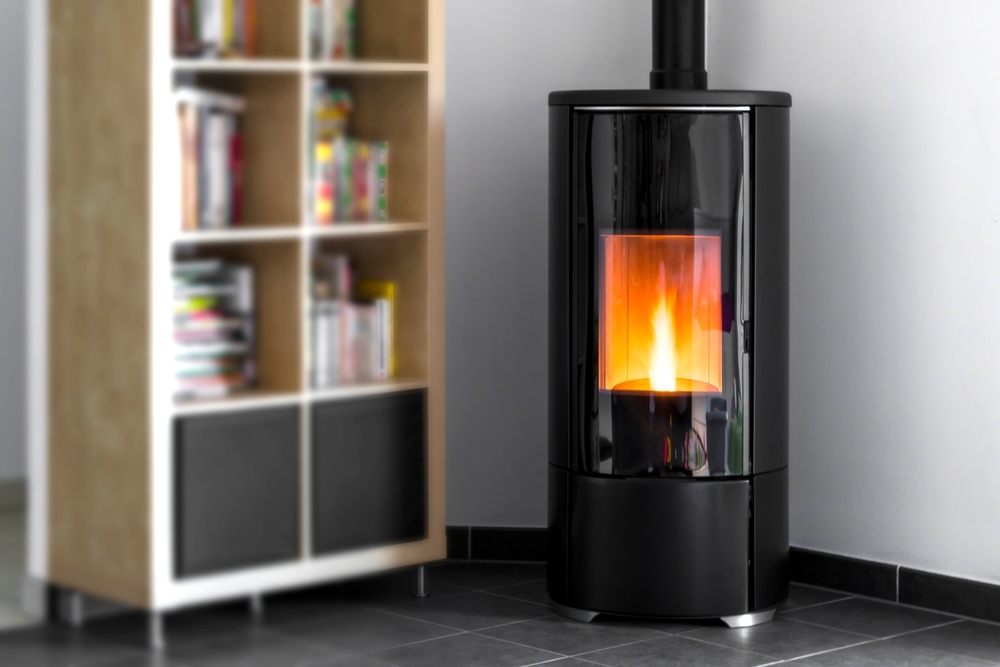
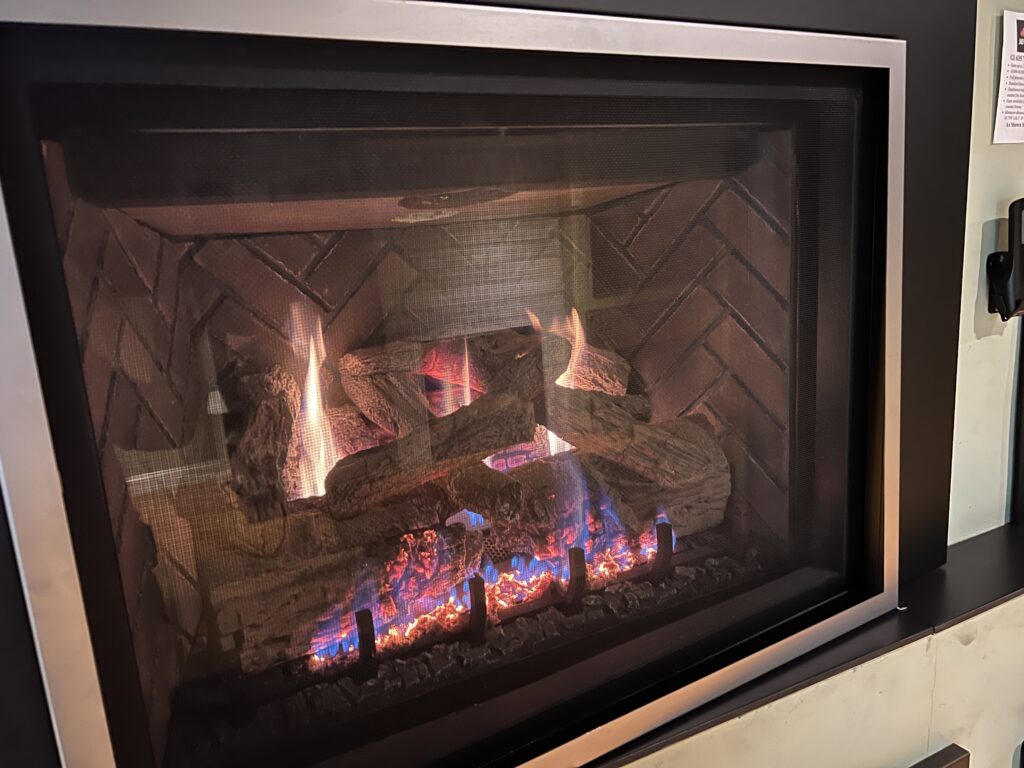
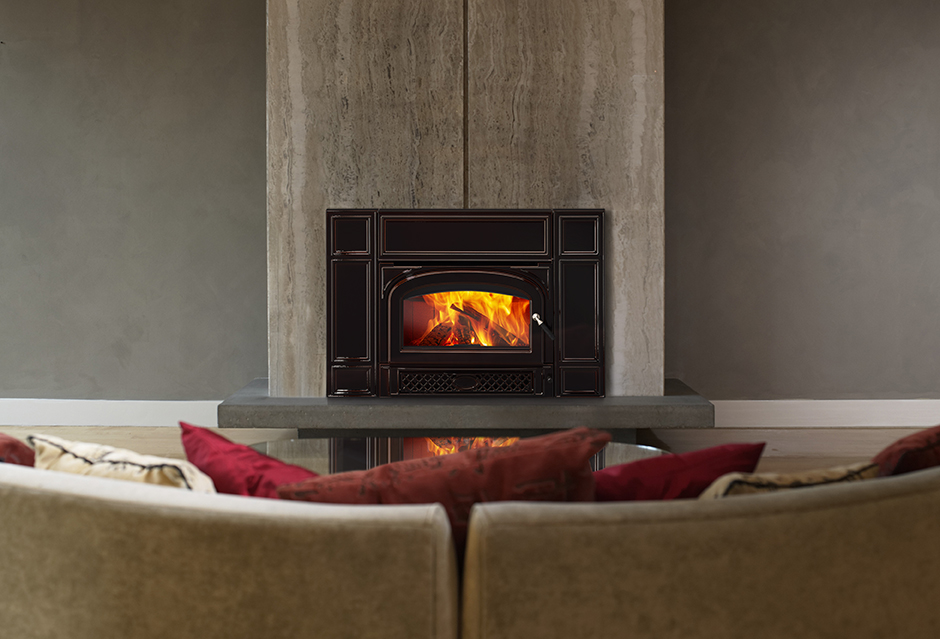
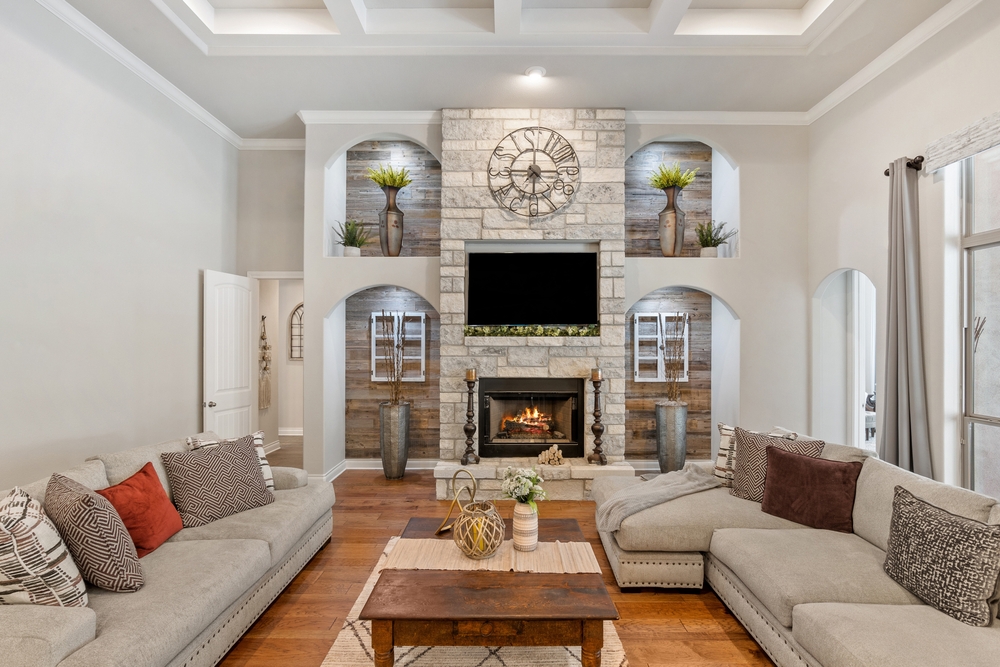
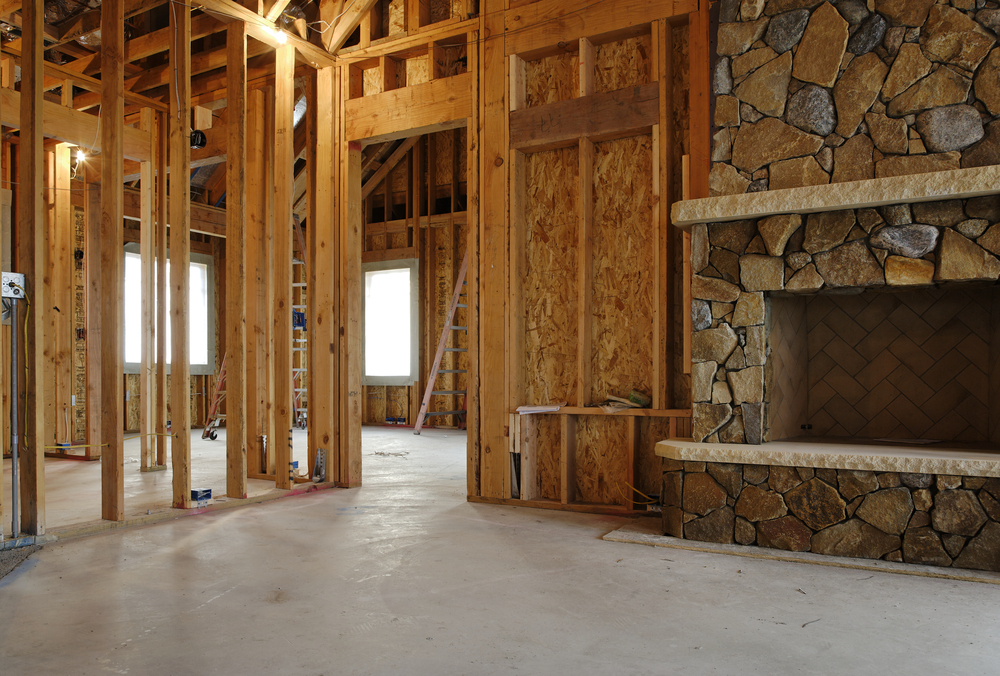
renovating a home and upgrading a wood burning fireplace to a gas operated model

Upgrading Your Fireplace: How to Convert Your Wood-Burning Appliance to a Gas Insert or Stove

Although a wood-burning fireplace can bring warmth and coziness to your home, they are not always the best choice for everyone. These fireplaces require constant restocking of seasoned wood and cleaning out soot, and they can be unpredictable and difficult to start or maintain. If you’re looking for an upgrade, consider converting your wood-burning fireplace into a gas-operated hearth. In this blog, we will discuss this process and how to get your home ready for a gas appliance.

Fireplace Installations

Retractable Awnings

Inspections & Repairs

Glass Doors & Accessories

Benefits of Upgrading a Wood-Burning Fireplace to a Gas Model

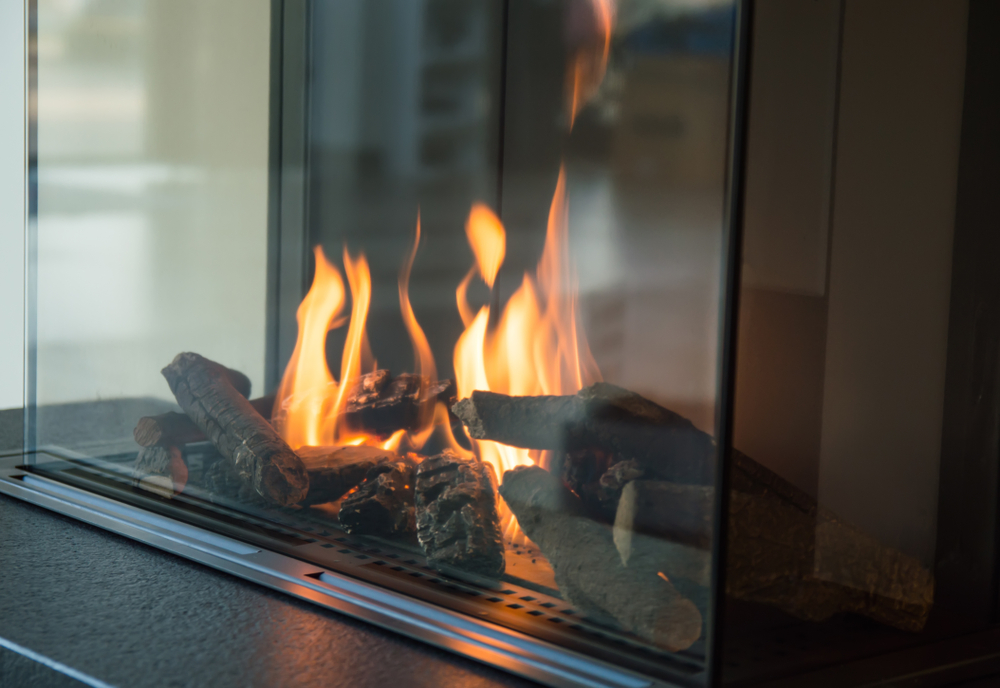
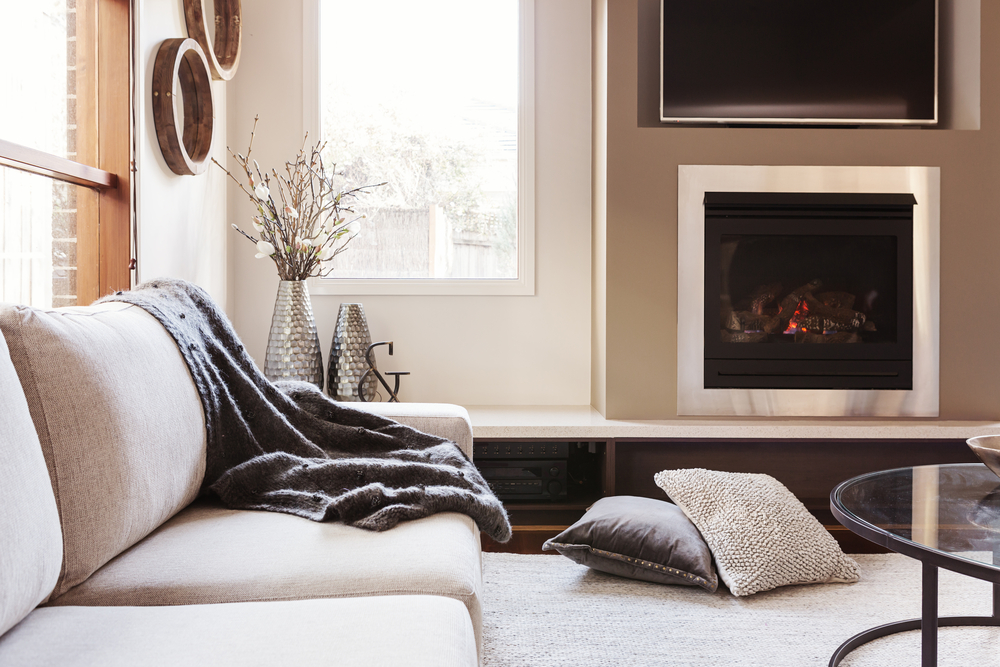
When choosing the best fireplace for your home, many homeowners quickly choose wood-burning models for their classic feel and cozy atmosphere. However, consider upgrading to a gas model if you’re looking for a more modern option and the convenience of controlling your appliance with a switch or remote.

Gas Fireplaces Require Less Maintenance

Fireplaces that run on natural gas require less maintenance than a wood-burning option. With no need to restock the woodpile, you can enjoy consistent heat with minimal effort.

Gas-Fueled Stoves or Inserts Offer Operation Convenience

Gas fireplaces come with a switch or remote control for easy operation. This makes starting and adjusting the flame from anywhere in the room simple and convenient.

Save Money on Energy Bills with Gas Fireplaces

Due to their high efficiency, gas fireplaces offer a great way to save money on energy bills. Compared to wood-burning models, gas fireplaces are more efficient at producing heat. You can watch your bills drop by up to 20% by creating more heat with less energy.

How to Convert a Wood-Burning Fireplace to Gas

When it comes to converting a wood-burning fireplace to gas, there are several steps to follow to ensure a seamless transition.

Inspect Your Home's Current Insulation & Ventilation

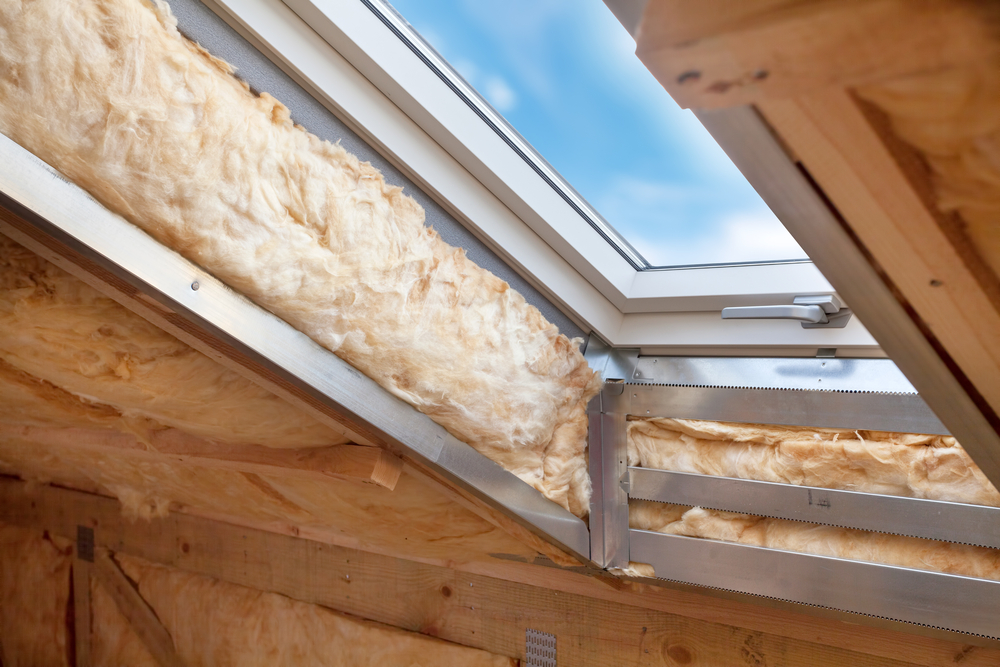
Start by inspecting your home for the necessary insulation and ventilation to support a gas-fueled appliance. Gas fireplaces require different venting than a wood-burning model, so it’s important to check ahead of time that your home can support the installation. When looking for the proper insulation, look for chimney liners that are specifically designed to draw cold air from outside the home into the flue.

Check Your Home's Gas Supply

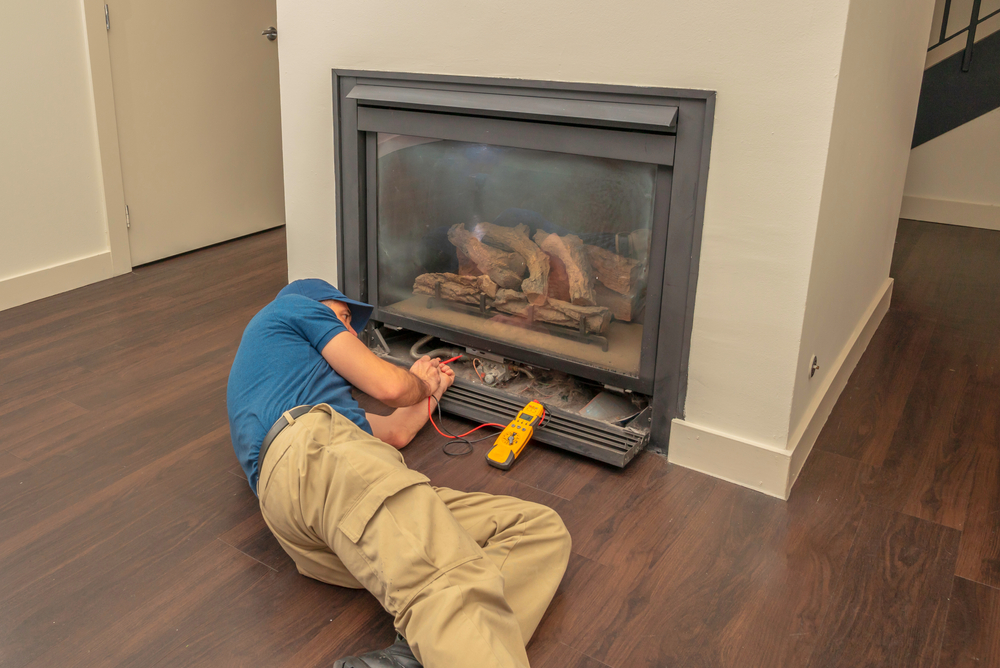
Next, you need to assess the current gas supply in your home. If you already have an existing gas line, you can skip this step. However, if you’re converting your fireplace to a gas model for the first time, you need an expert to inspect your home’s current gas supply system. The best way to do this is to call your local natural gas company for a professional inspection.

Remove the Old Firebox

Once your home is inspected and prepped for installation, the next step is to remove the old firebox. This process usually requires professional help since it involves disconnecting gas lines and breaking out walls. Depending on how extensive your remodel is, you may need additional help from a contractor to execute this task safely.

Attach All Gas Components

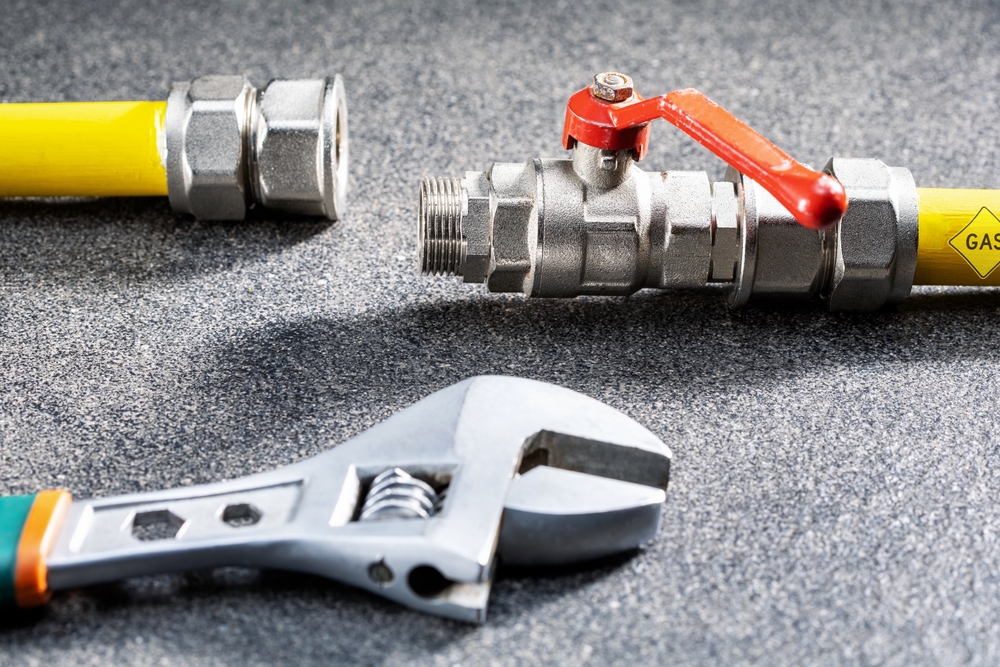
After removing the old firebox, you’re ready to attach all your gas components. Depending on the type of appliance you’ve chosen, these can include flexible connectors, valves, a thermostatic control unit, and more. To ensure proper installation, make sure to check all connections for leaks and read and follow the instructions carefully. It is also always recommended to call in a professional for this step, as anything that is set up incorrectly can lead to costly repairs in the future.

Install a Majestic Gas Insert with New England Hearth & Home in Canton MA & Receive $200 Until October 9, 2023!

If you are currently in the market for a new gas fireplace to replace your old wood-burning model, contact New England Hearth & Home in Canton, MA. Until October 9, we are offering $200 off select Majestic gas fireplaces and inserts with our installation services. Whether you need help converting your wood-burning fireplace to a gas model or are just looking for a new and improved hearth, contact us today and take advantage of this offer! To learn more and start saving, call us at 781-562-0771 or visit our website!

Fireplace Inserts vs. Stoves: What’s the Difference and Which Is Right for You?

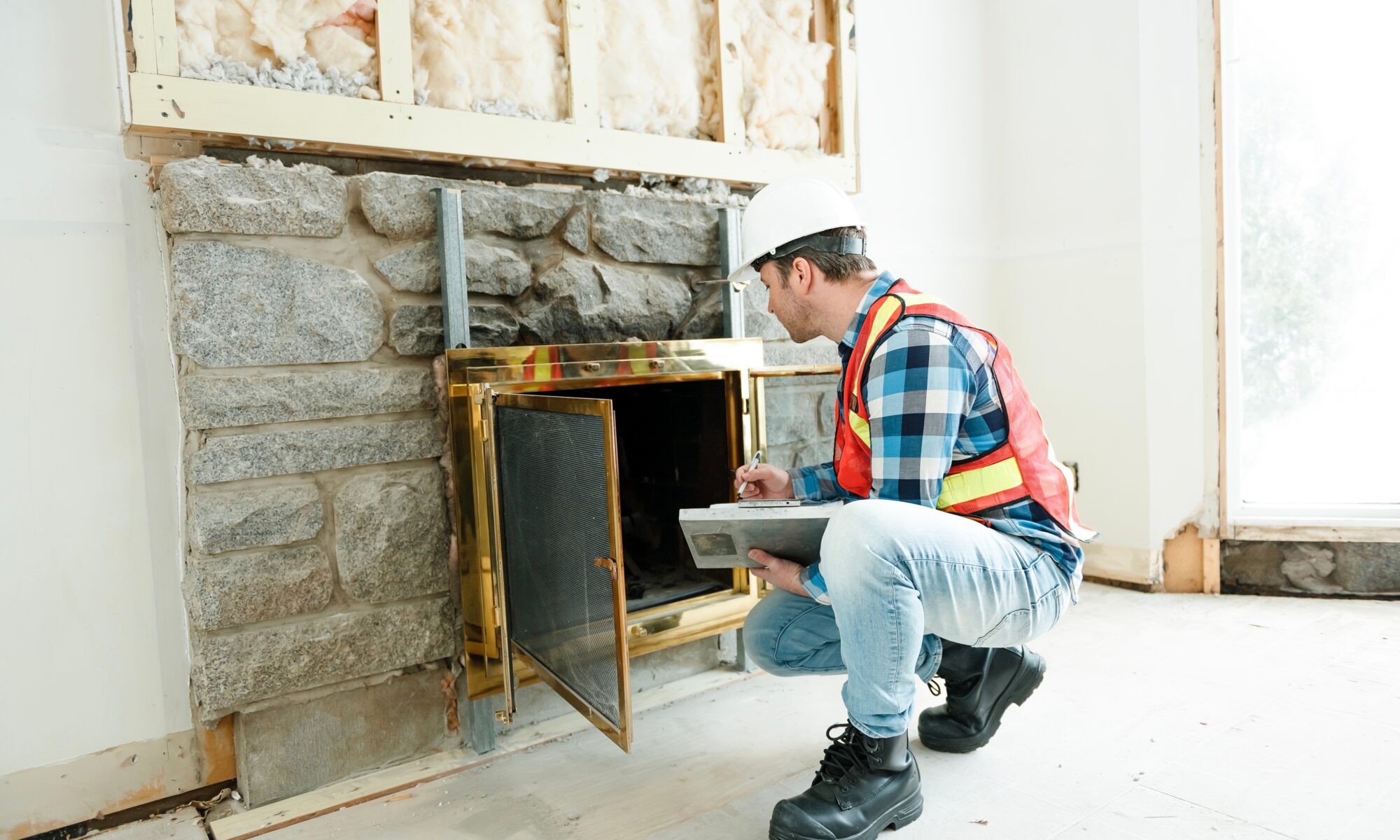
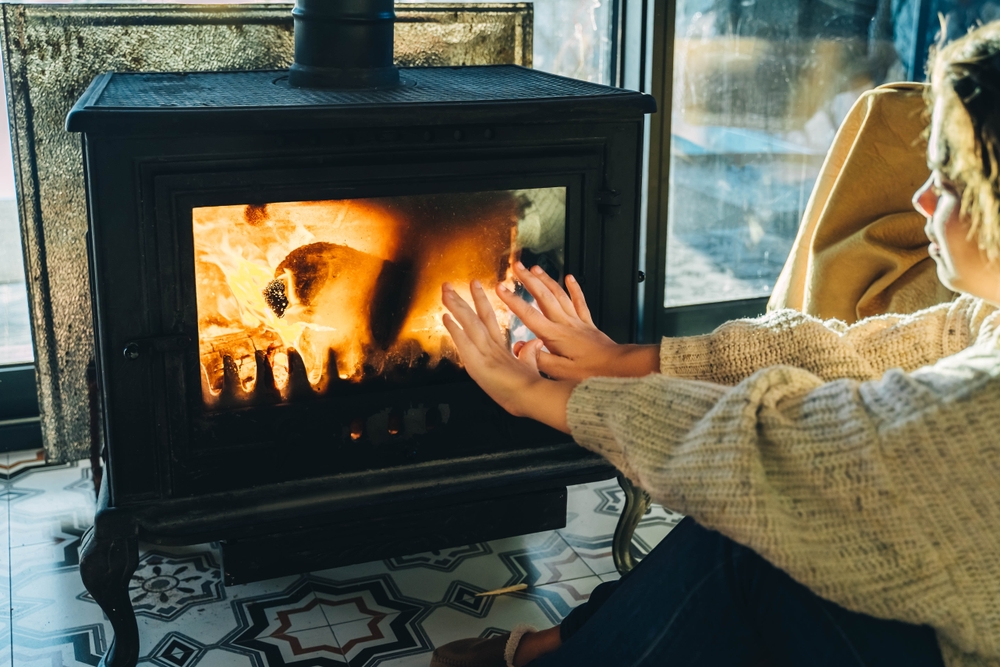
fireplace stoves instead of inserts in a living room being built and installed

Fireplace Inserts vs Stoves: 5 Key Differences to Consider

If you are a Massachusetts resident, you are well aware of how cold and harsh the winters can be. Installing a fireplace is a great way to add warmth and comfort to your home during the winter months. With so many different types on the market, finding the best one for you can be challenging. The two main structures you will come across are fireplace inserts and stoves. Depending on the size of your home, the room your plan to install it in, and your budget, one of these options may be better for you than the other. In this blog, we will discuss five of the main differences between inserts and stoves to help you determine which one is right for you and your home.

Fireplace Installations

Retractable Awnings

Inspections & Repairs

Glass Doors & Accessories

Benefits of Installing a Fireplace in Your Massachusetts Home

New England residents are no strangers to cold weather. With temperatures dropping well below freezing each winter, having a fireplace in your home can make a world of difference when it comes to keeping warm and comfortable. Additionally to having a well-heated home, fireplaces also bring a feeling of coziness and ambiance.

Types of Fireplaces to Choose From

When it comes to the types of fireplaces for your Massachusetts home, you can choose from many different models and styles. While some fireplaces come in the form of a traditional masonry structure built into your wall or chimney, other more modern fireplace units are designed as free-standing stoves. The two most common types of fireplaces available today are fireplace inserts and stoves.

What is a Fireplace Insert?

A fireplace insert is an insulated unit that fits into the opening of your current masonry fireplace. These models are embedded into the existing structure of your fireplace and provide an efficient way to heat your home. Inserts are available in a variety of materials, such as metal, ceramic, or cast iron, depending on the design you are looking for.

What is a Cast-Iron Stove?

A cast-iron stove is a type of fireplace that stands on its own. These stoves are typically made from steel or cast iron and are designed to provide more heat than traditional fireplaces can. Cast-iron stoves are often mobile, meaning they can be moved from one room to another if desired.

Key Differences Between Fireplace Inserts vs. Stoves

Now that we’ve discussed the different types of fireplaces available let’s dive into the five key differences between fireplace inserts and stoves.

Free Standing vs. Embedded in Home Structure

One of the most notable differences between these two types of fireplaces is that inserts are embedded into the existing structure of your home, while stoves are free-standing. Stoves don’t need to be connected to an existing fireplace or chimney and can be moved from one room to another if needed. On the other hand, inserts must be installed directly into the existing masonry structure of your fireplace.

fall fireplace tips

Heat Output

The next difference between these two models is the amount of heat they can produce. While both inserts and stoves are designed to provide warmth when needed, stoves typically have a higher BTU output than their insert counterparts. If the main reason for purchasing a fireplace unit is to provide as much heat as possible to your home, then a stove may be the better option.

Fuel Type

If you are looking for a more efficient heating solution, the type of fuel used can make a big difference. While inserts and stoves offer traditional wood-burning models, some also feature gas or electric-powered models. Gas and electric models are often easier to use and require less maintenance than wood burners, however, they tend to be more expensive upfront.

Ventilation

Depending on the room you plan to install the fireplace in, ventilation can be a major factor to consider. When installing an insert, you must use an existing chimney and ensure that it is properly vented. On the other hand, stoves do not need to be connected to an existing structure and can be installed with either direct venting or using a chimney.

Maintenance Requirements

As you continue to ignite your fireplace, routine maintenance and cleanings are essential to keep it working safely and properly. Inserts usually require a more intensive cleaning than stoves because of the existing structure that they are embedded in. Stoves, however, typically do not need to be cleaned as often since they don’t rely on an existing fireplace structure.

Contact New England Hearth & Home in Canton, MA for Expert Advice on Choosing the Right Fireplace for Your Home

Now that you know the five key differences between fireplace inserts and stoves, it is time to decide which one is best for your home. If you are still unsure of which model to choose, the team at New England Hearth & Home is here to answer all of your hearth questions. With over 30 years of experience in the industry, we are one of New England’s leading providers for installing, servicing, and maintaining your fireplace. To learn more about our services and schedule an installation, visit our website or call us at 781-562-0771.

How to Measure Your Deck to Determine What Size Awning to Install

yellow retractable awning on the side of a home to protect the people and deck from sun's rays

Measurement Made Easy: Learn Exactly What Size Awning You Need for Your Home

When the Summer comes in, and the sunshine is inviting, you may find yourself wanting to spend more time outdoors. An awning is a great way to make your outdoor space enjoyable and comfortable. Not only do retractable awnings protect from the Sun’s harsh rays, but they also add beauty to your home. Before you purchase and install an awning, it is important that you properly measure your space to determine what size you need. In this blog, we will discuss exactly where and how you should measure to find the best fit for your home.

Benefits of Installing a Retractable Awning on Your Deck or Patio

Retractable awnings are great for creating a comfortable outdoor space and protecting your home and self from the Sun.

Skin Protection from Harsh UV Rays

When exposed to too much Sun, the risk of skin damage increases significantly. With an awning installed over your deck or patio, you can enjoy the outdoors without worrying about these harsh rays.

Reduce Deck Fading

Fading is a common problem with wooden decks caused by excessive UV exposure. An awning will help reduce fading and keep your deck looking new.

Protect Your Home from Sun Damage

The sun can cause damage to the siding, windows, and other elements of your home. Installing an awning will help protect your home’s exterior from these harmful rays.

How to Determine What Size Awning You Need

Now that you know the benefits of installing an awning, let’s discuss how to measure for the best fit. Depending on the size of your space, you may need a smaller or larger model.

Measuring Your Space

  1. Measure the width of the area that you want to cover with your awning.
  2. Measure the projection, or how far out from the wall you want your awning to extend.
  3. Measure the height of the area that you are covering.

When measuring these distances, the best tool to use is a steel tape measure, as it will provide you with the most accurate measurement. If you cannot reach the height that you would like to cover, you can use a ladder to assist.

Calculate Your Awning Size

After you have taken the measurements, you can calculate the size of your awning. To do this, you simply need to multiply the width, projection, and height of the area that you are covering. For example, if you have a space that is 8 feet in width, 6 feet in projection, and 7 feet in height, then your awning size would be 336 square feet. When you visit a store to purchase an awning, you can give them this size, and they will be able to provide you with the best model for your space.

Summer is the Best Time to Install Retractable Awnings

Now that the Summer is in full effect, it is the perfect time to install an awning on your home. It is never too late to start protecting your family and home from the harsh UV rays of the Sun while also creating a comfortable outdoor space for you to enjoy.

Contact New England Hearth & Home in Canton, MA for Professional Awning Installation & Replacement Services

Installing an awning is not something you should attempt on your own. It is important to have the right tools and experience to ensure that your awning is installed properly. Contact New England Hearth & Home in Canton, MA, for professional awning installation and replacement services. With years of experience and the best quality products, we will ensure that your awning can be enjoyed for years to come. To learn more and schedule a service request, visit our website or call us at 781-562-0771.

Top Summer Fire Safety Tips for Backyards & Campsites

fire pit in a backyard being maintained with fire safety tips and tools

Keep Your Home & Campground Safe with These Summer Fire Safety Tips

For many New Englanders, Summer means spending as much time in the outdoors as possible. From backyard barbecues to overnight camping trips, a fire is often involved in many Summer outdoor activities. While fires can provide both function and aesthetic, they need to be managed carefully to keep your family and home safe this Summer. In this blog, we’ll discuss the best tips for Summer fire hazard safety.

Fireplace Installations

Retractable Awnings

Inspections & Repairs

Glass Doors & Accessories

Summer Heat Means Increased Fire Hazards & Risks

When the Summer rolls in, it brings very humid or dry air. Both conditions can increase the risk of wildfires, even in your backyard. Dry heat creates an atmosphere of low humidity, which can cause any fires to spread quickly and unpredictably. This can also create a challenge when you try to extinguish any runaway flames or sparks. On the other hand, humidity can be dangerous if it reaches extreme levels. This can lead to a lot of smoke, which is unpleasant and creates hazardous air quality conditions.

Stock Up on Fire Safety Supplies Before Igniting Any Size Flame

Whether you’re using a charcoal grill or a small firepit, always make sure to have the necessary safety supplies on hand before lighting any fire. In the case of an emergency, you must have the tools to quickly and safely extinguish the fire. Some of these supplies include:

  • Fire extinguishers
  • Water buckets
  • Shovels
  • Rakes

Fire Safety Tips for Grills & Barbecues

One of the most popular ways to enjoy outdoor time during the Summer is by grilling. To make sure you and your family are safe when using a grill, always follow these guidelines:

Place the Grill a Safe Distance from Any Structures

When placing your grill, always make sure it is far enough away from any structures like homes, garages, trees, or plants. A minimum of 10 feet is recommended. If you have a grill that runs on propane, never place it directly underneath overhanging branches or other combustible materials.

Check for Leaks & Cracks

Before you light up the grill, check the connections and valves to make sure there are no gas leaks. If you smell gas or hear a hissing sound, turn off the valve immediately.

Clean Your Grill Regularly

Grease build-up can cause flare-ups and fires. Make sure you clean any grease and debris from your grill after each use to prevent any problems.

Fire Safety Tips for Campfires & Fire Pits

In addition to grilling, many people also enjoy having a campfire or fire pit burning in their backyard. Here are some tips to help you safely build and maintain a fire outdoors.

Make Sure the Fire is Legal

Before you start building your campfire or fire pit, make sure it is legal in your area. Some areas have restrictions on when and where fires can be built.

Check for Clearance & Airflow

When choosing a spot to build your fire, make sure there is enough clearance between the flames and combustible materials. This will help prevent any unexpected flare-ups. Also, make sure to use a screen to keep sparks from flying and causing problems.

Always Extinguish Fully

It’s important to make sure you extinguish any fires you build completely. Put out the flames, stir the ashes, then soak them with a hose or bucket of water.

Emergency Planning for Uncontrollable Fires

Even if you take all the necessary precautions, it’s possible for fires to reach a point where they become uncontrollable. In these cases, it’s best to have an emergency plan in place so you and your family can be prepared. Have a designated meeting area or evacuation plan if the fire spreads quickly. Additionally, ensure you have all the necessary materials in case you need to evacuate your home quickly.

Contact New England Hearth & Home in Canton, MA for Summer Fire Safety Tips & Professional Outdoor Firepit Installations

After preparing your outdoor area this Summer, make sure to keep the fire hazard safety tips in mind whenever you are building or maintaining a fire. If you need help with fire safety, fireplace maintenance, or outdoor firepit installations, contact the professionals at New England Hearth & Home in Canton, MA, today. Our team of experienced technicians can help you stay safe this Summer while enjoying the outdoors. Visit our website or give us a call today at 781-562-0771 to learn more and fill out a service request!